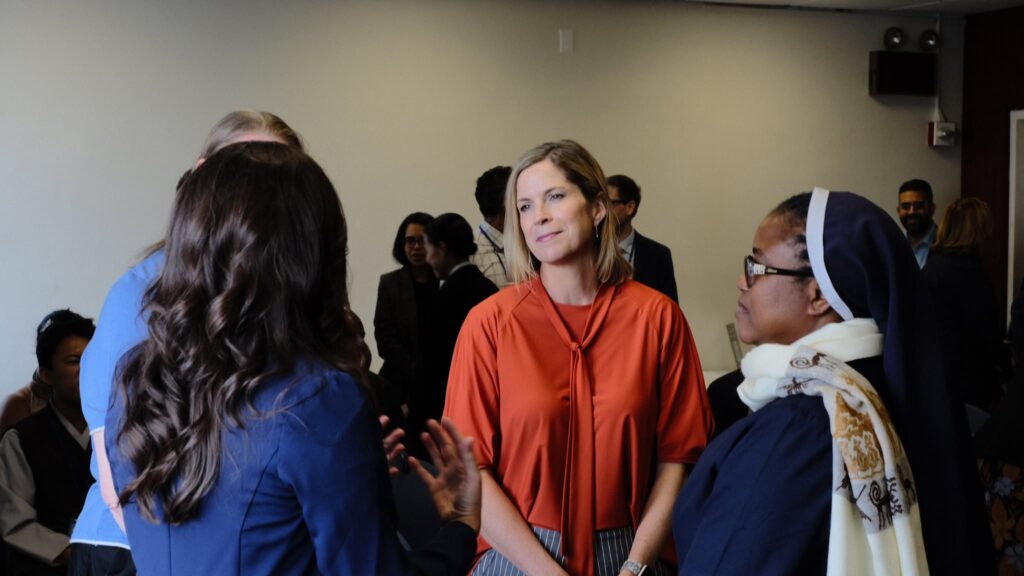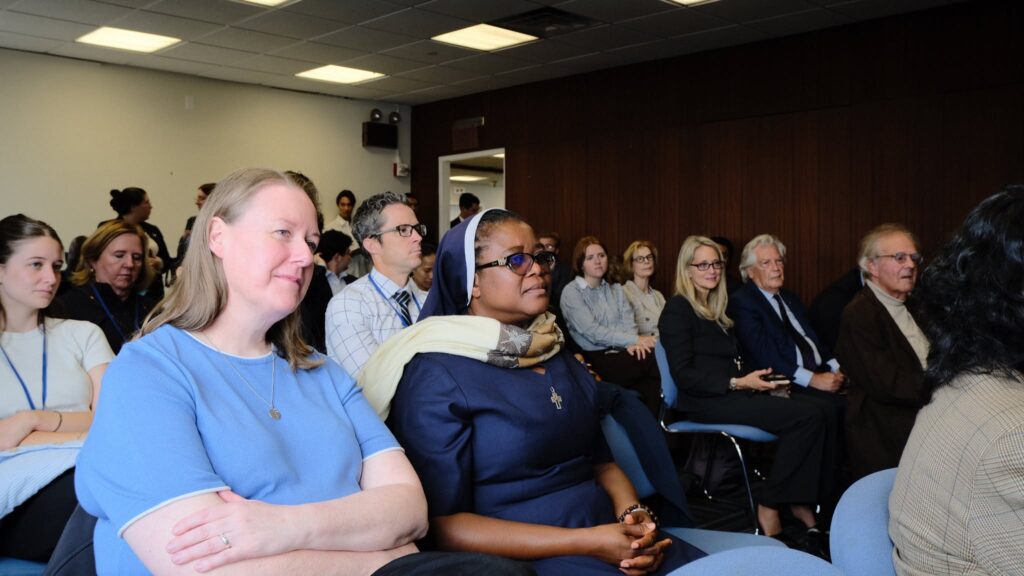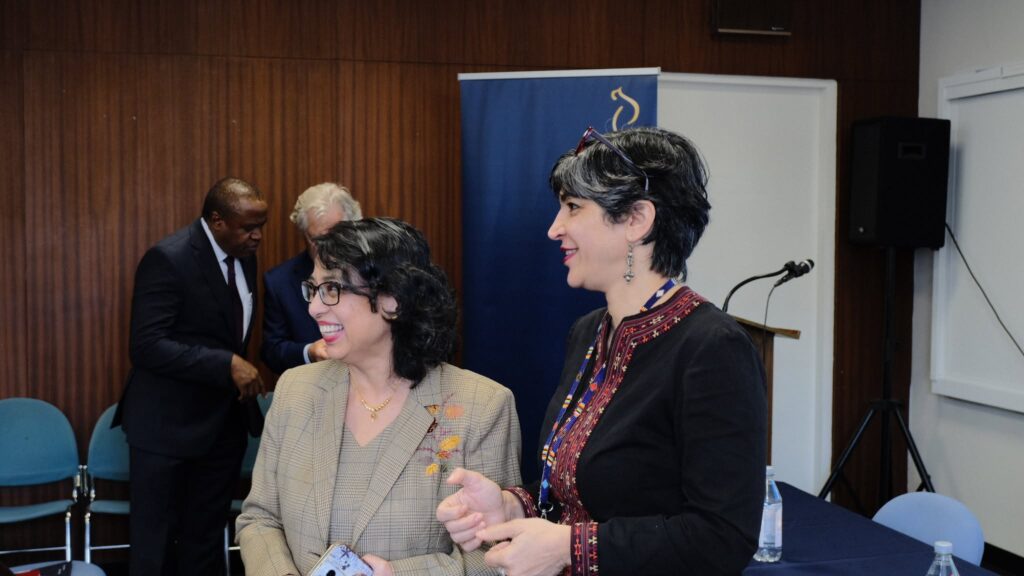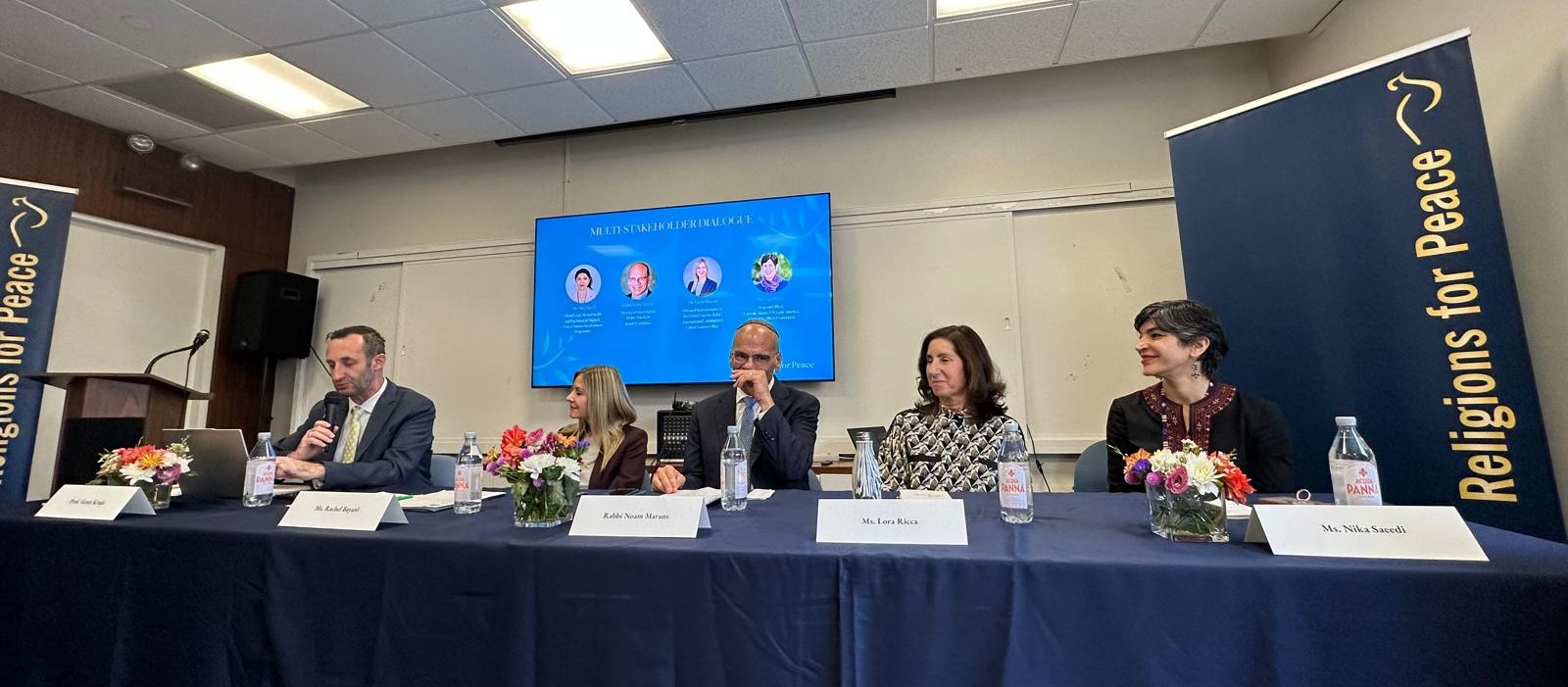
New York, USA, 23 September 2026 — Religions for Peace International organised the international gathering “Restoring Trust in an Era of Polycrisis: A Multi-Stakeholder Dialogue on Shared Sacred Flourishing” at the Church Center of the United Nations, on the margins of the United Nations General Assembly’s High-Level General Debate.
The event brought together representatives of United Nations agencies, religious leaders, civil society organisations and philanthropic foundations to explore how interreligious cooperation and partnerships across sectors can help restore trust and address global challenges.
At the heart of the gathering was Shared Sacred Flourishing, an initiative developed by Religions for Peace and the Fetzer Institute. This approach connects human well-being with the well-being of others, future generations and the planet, placing dignity, solidarity, care and shared responsibility at the foundation of action for peace and sustainable development.
Dr. Francis Kuria, Secretary General of Religions for Peace International, led the opening and closing sessions. The dialogue addressed the need to rebuild trust at a time when conflict, climate change, inequality and technological developments interact and reinforce one another. Particular attention was given to the social, ethical and spiritual dimensions of these challenges and the contribution of religious communities to collective responses.
 Religions for Peace Europe was represented by its President, Prof. Genti Kruja, who moderated the dialogue, bringing together perspectives from international institutions, religious communities and organisations supporting development and peacebuilding.
The programme included contributions from Nika Saeedi, Global Lead for Mental Health and Psychosocial Support at UNDP; Rachel Bayani, Principal Representative to the United Nations of the Bahá’í International Community; Rev. Pierre R. Julien, President of Religions for Peace Haiti; Rabbi Noam Marans, Director of Interreligious Affairs at the American Jewish Committee; Lora Ricca, Programme Officer at the Conrad N. Hilton Foundation; and Ruben Tituaña, Programme Officer at the Pawanka Fund.
The discussion focused on practical ways to strengthen multilateral cooperation, build relationships across religious and cultural differences, and support lasting partnerships. Exchanges among panellists and questions from the audience created space to connect their experiences and explore opportunities for cooperation beyond the gathering.
In a subsequent letter of appreciation, Dr. Francis Kuria recognised Prof. Kruja’s moderation and contribution, reaffirming Religions for Peace International’s commitment to continuing the dialogue and advancing sustained cooperation in the service of people and the planet.
Religions for Peace Europe’s participation strengthened the connection between interreligious work in Europe and the global engagement of Religions for Peace. In his response, Prof. Kruja expressed readiness to advance this cooperation through RfP Europe and its co-committees, particularly the European National Interreligious Bodies (ENIB), creating opportunities for young people and supporting communities in building trust and peace.