Religions for Peace Europe President Highlights the Role of Religious Communities in Strengthening Social Cohesion in Kazakhstan
Almaty, Kazakhstan – 7–8 September 2026
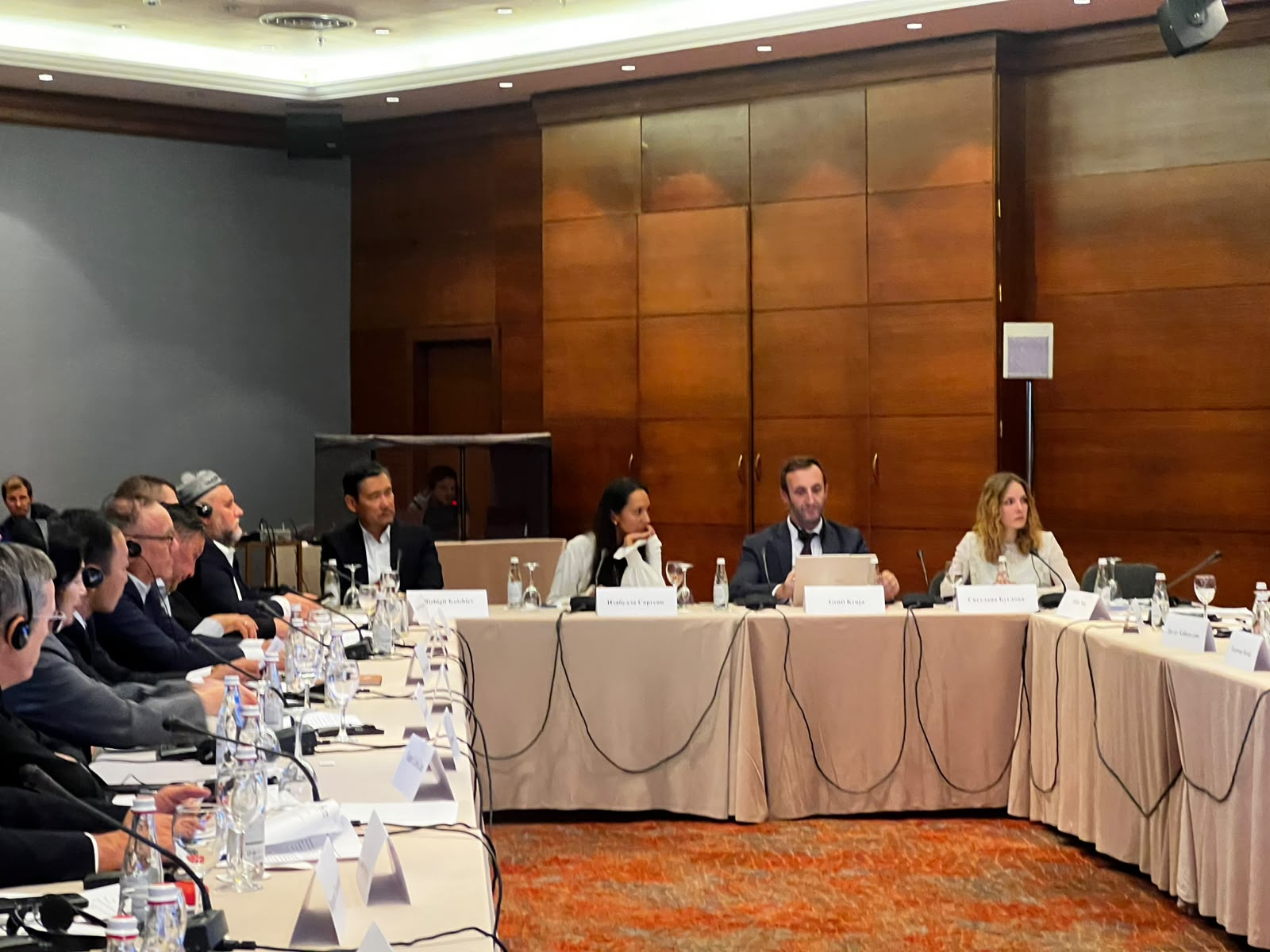
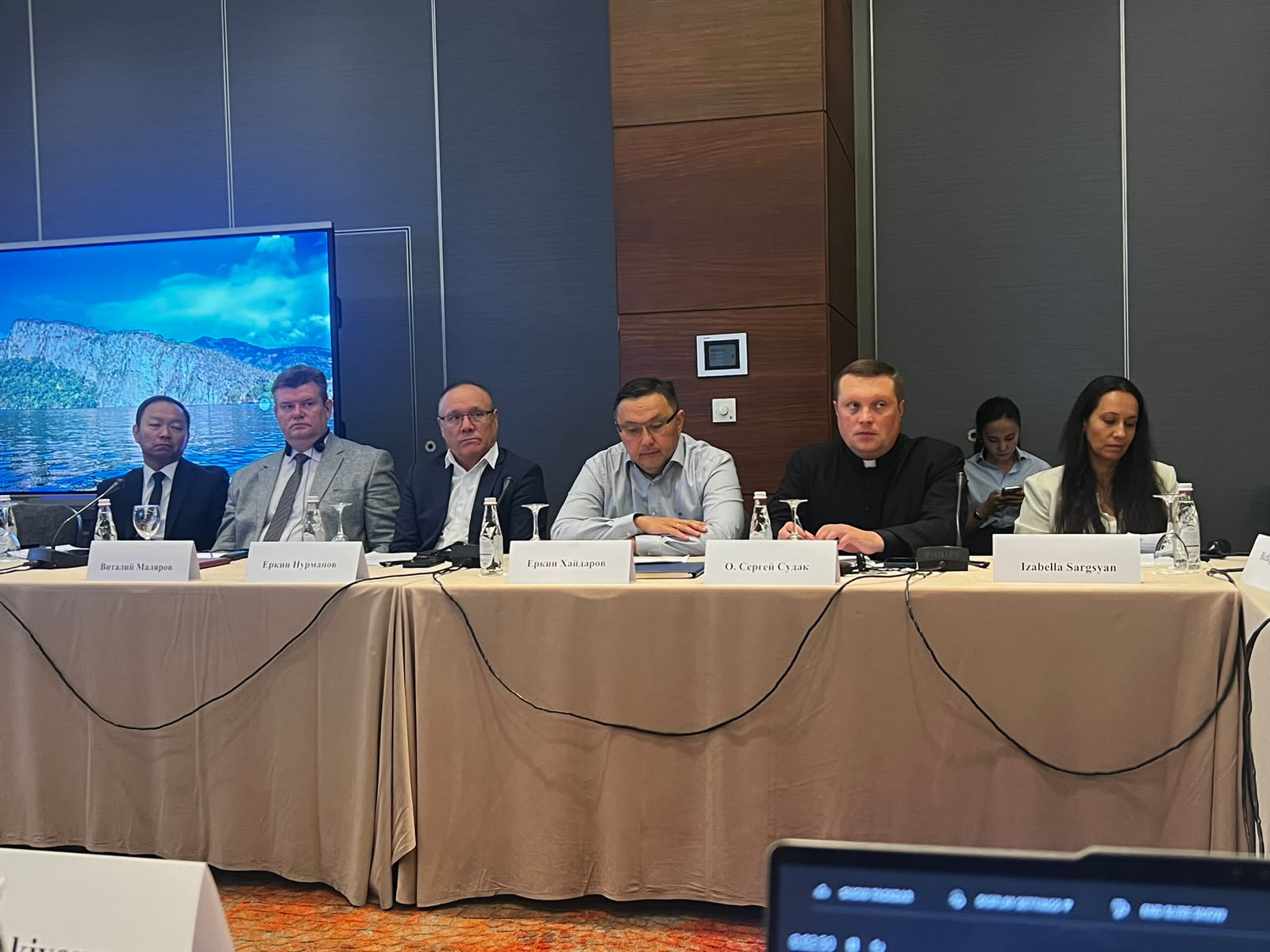
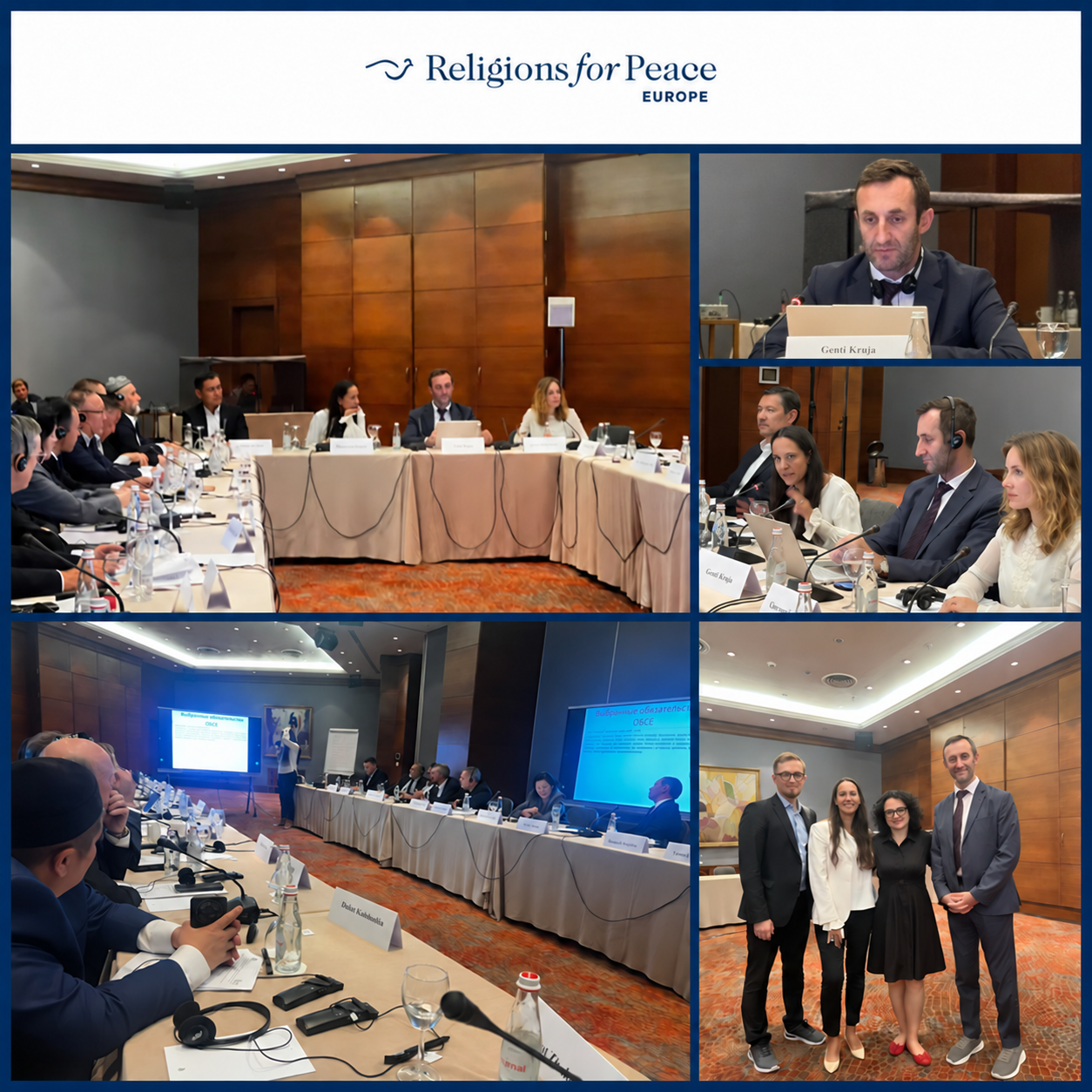
President of Religions for Peace Europe, Assoc. Prof. Dr. Genti Kruja participated as a Keynote Speaker in the international event “Developing Dialogue that Strengthens Interfaith Relations,” held in Almaty, Kazakhstan.
The two-day capacity-building dialogue was organized by the OSCE Office for Democratic Institutions and Human Rights (OSCE/ODIHR), in partnership with the Association of Religious Organizations of Kazakhstan (AROK). It brought together representatives of different religious communities to strengthen mutual trust and understanding, address stereotypes and prejudice, and explore practical approaches to interfaith and interreligious cooperation.
Prof. Kruja was invited as a scholar of interreligious dialogue, President of Religions for Peace Europe, and member of the OSCE/ODIHR Panel of Experts on Freedom of Religion or Belief.
In his keynote address, “The Role of Religious Communities in Fostering Social Cohesion,” Prof. Kruja emphasized that social cohesion does not require uniformity. Rather, it enables people with different religious beliefs, identities and experiences to live together with equal dignity, mutual trust and a shared sense of responsibility.
Drawing on the work of Religions for Peace Europe, he highlighted the importance of moving from “passive tolerance” to “active cooperation.”
“Passive tolerance means that we live alongside one another. Active cooperation means that we share responsibility for our society,” Prof. Kruja stated.
He stressed that interreligious dialogue becomes sustainable when it is inclusive, grounded in human dignity and freedom of religion or belief, and translated into practical cooperation for the common good. Religious communities can contribute to education, social solidarity, environmental responsibility, peacebuilding, support for vulnerable people and the prevention of polarization.
Prof. Kruja also participated in a panel discussion on international principles and experiences of interfaith and interreligious dialogue. He addressed the gradual expansion of dialogue beyond senior religious leadership to include religious educators, civil society actors, women and young people.
He underlined that the participation of women and young people should not be merely symbolic. They should have meaningful opportunities to shape agendas, lead initiatives and participate in decision-making.
The discussion also explored the importance of personal relationships in building lasting dialogue. Institutions provide structure and continuity, but trust develops through regular encounters, honest conversations, shared experiences and practical cooperation.
The event included sessions on freedom of religion or belief, international human rights standards and OSCE commitments, intergenerational dialogue, stereotypes and discrimination, as well as the impact of artificial intelligence on freedom of religion or belief.
Religions for Peace Europe remains committed to promoting inclusive multi-religious cooperation and supporting religious communities, interreligious councils, women and young people in transforming dialogue into shared action.
When religious communities defend one another’s dignity and work together for the well-being of society, religious diversity becomes a foundation for social trust, solidarity and peace.
#Religions4Peace #ReligionsForPeaceEurope #InterfaithDialogue #FoRB #SocialCohesion #OSCEODIHR #Kazakhstan #Almaty