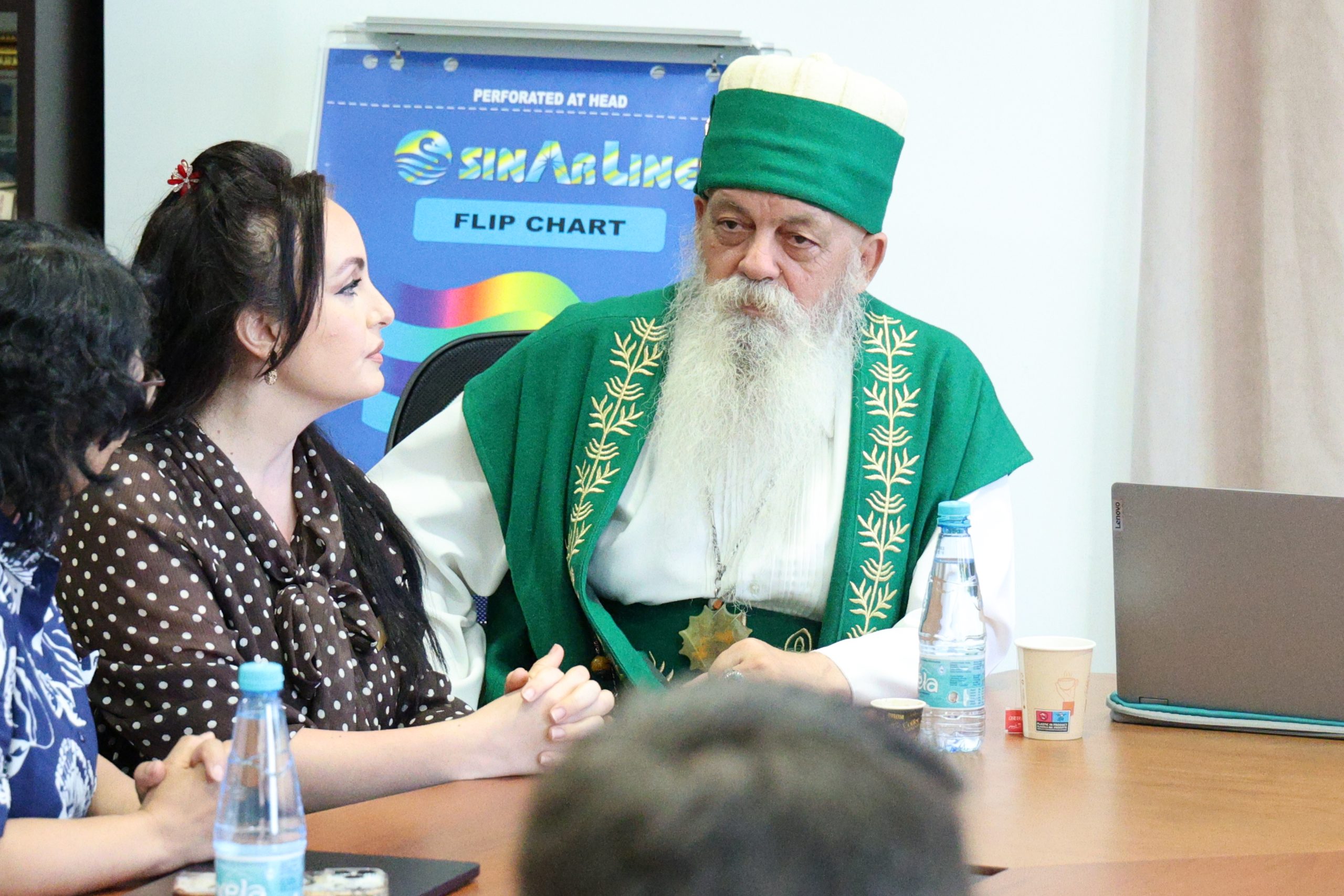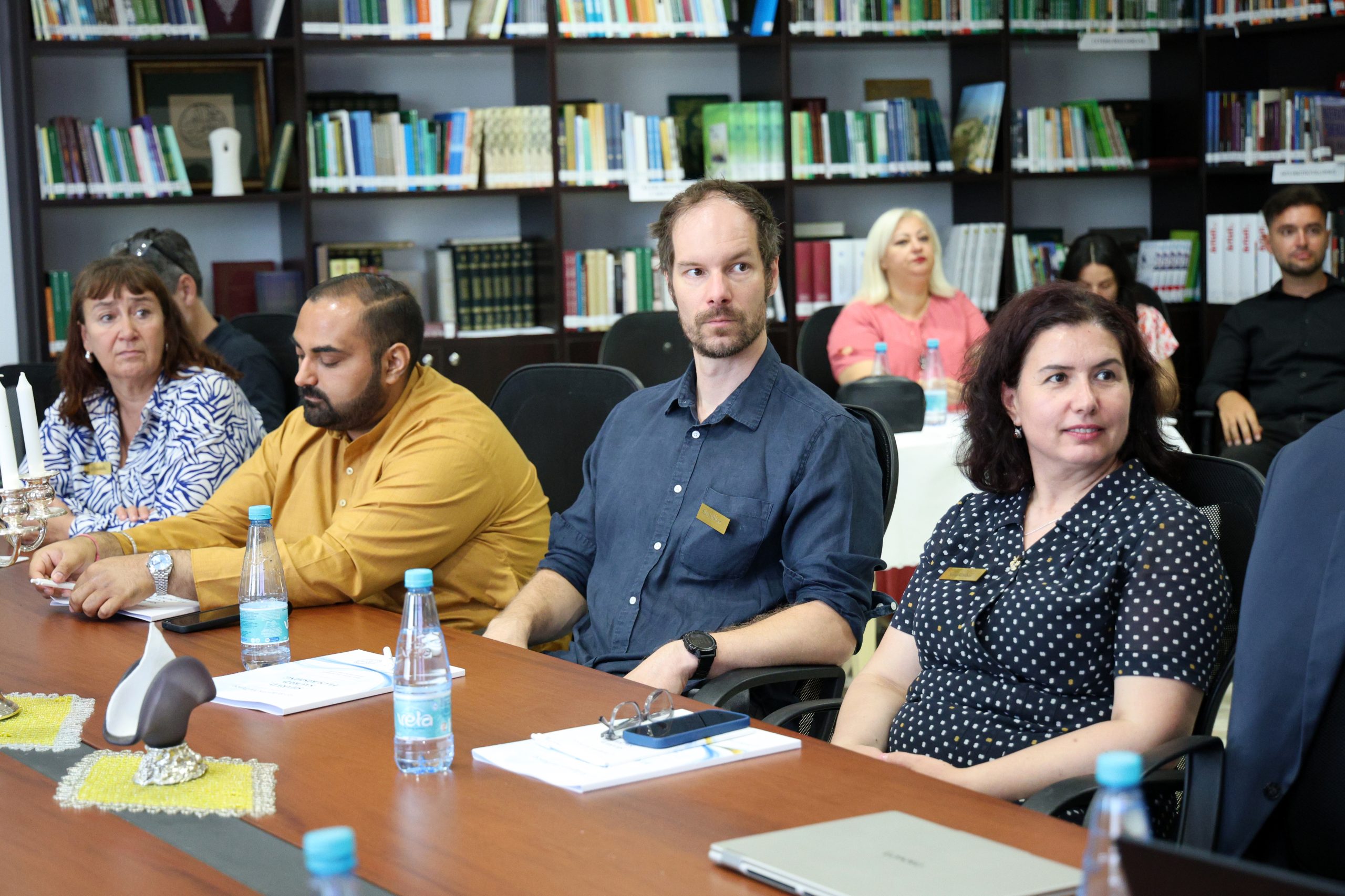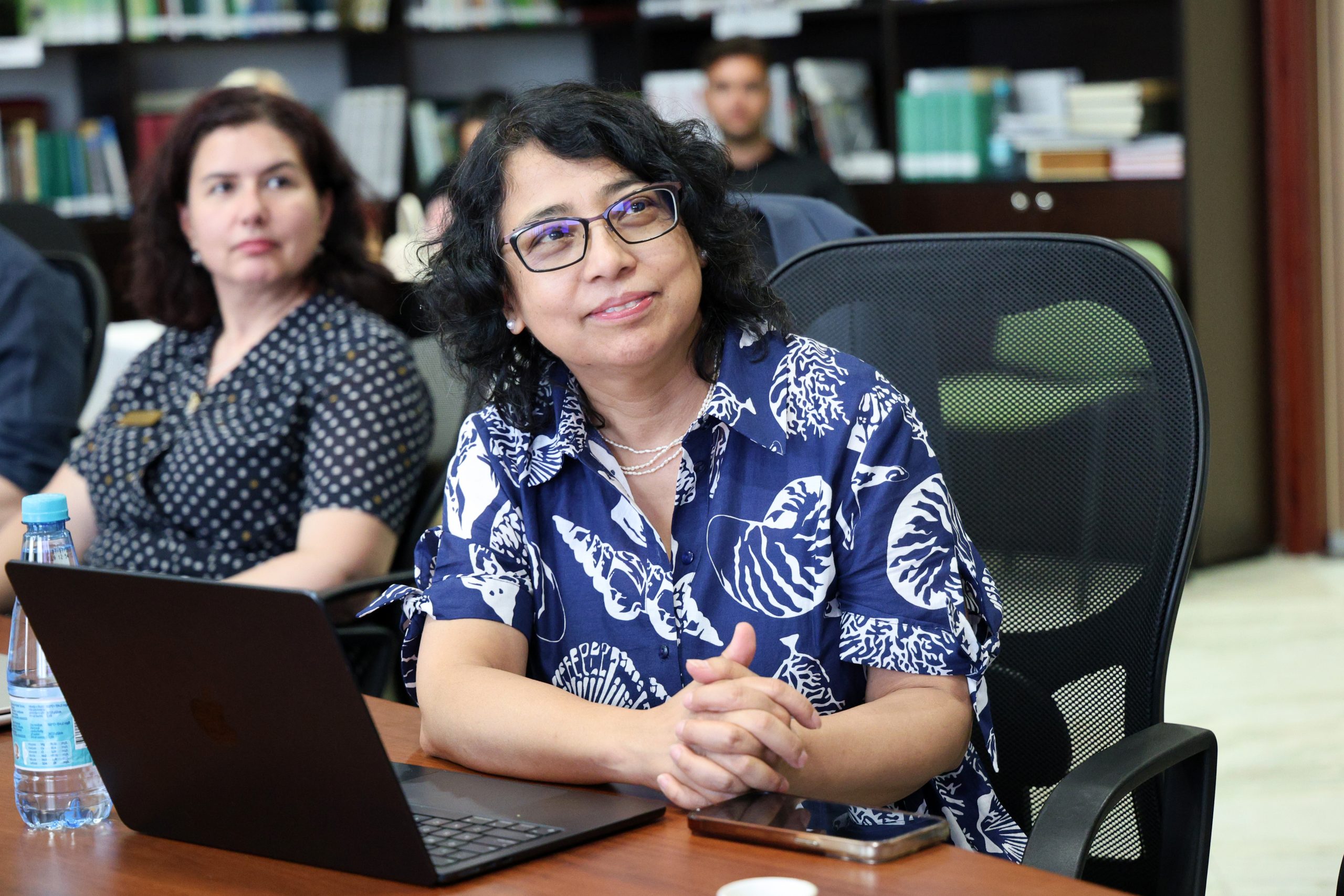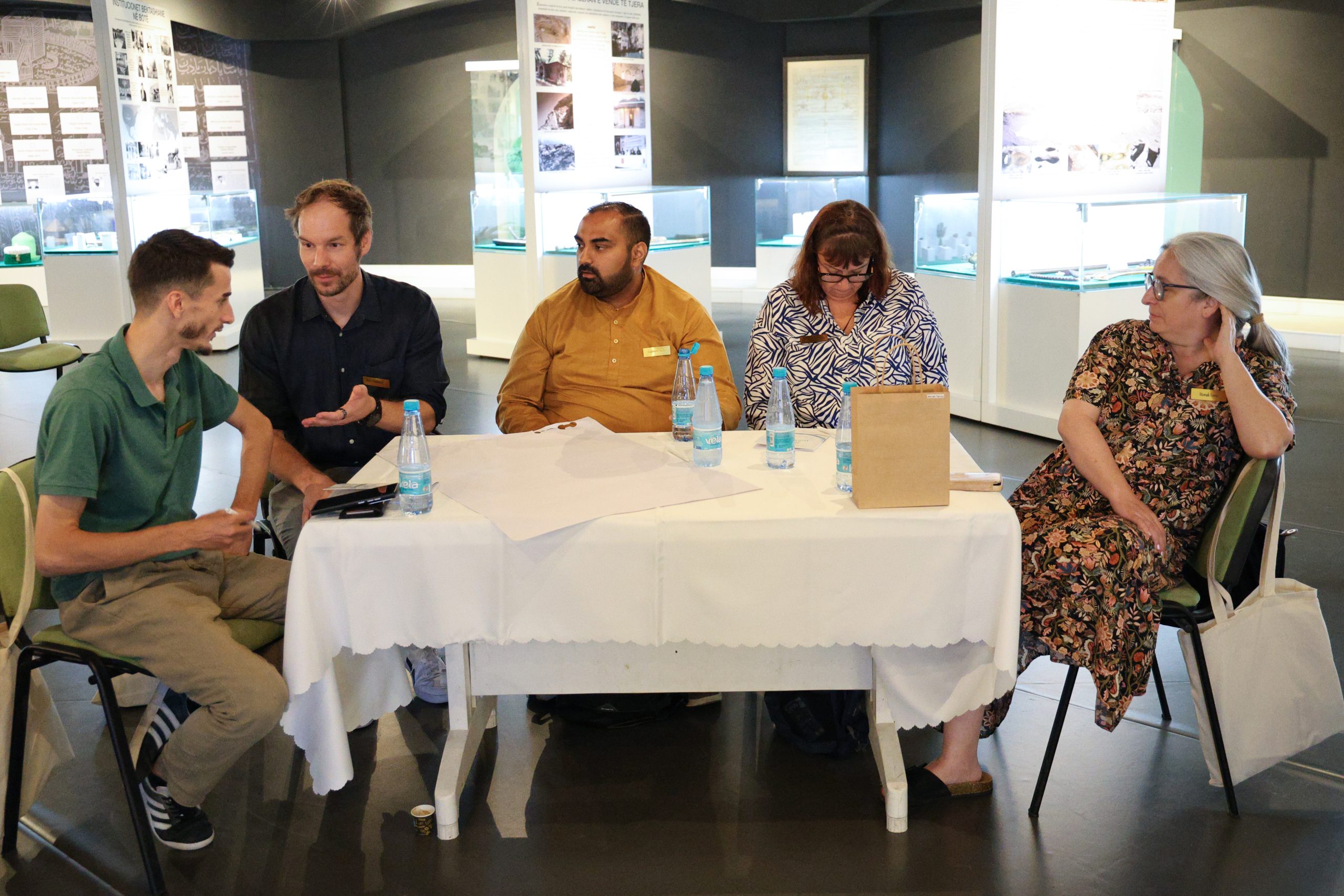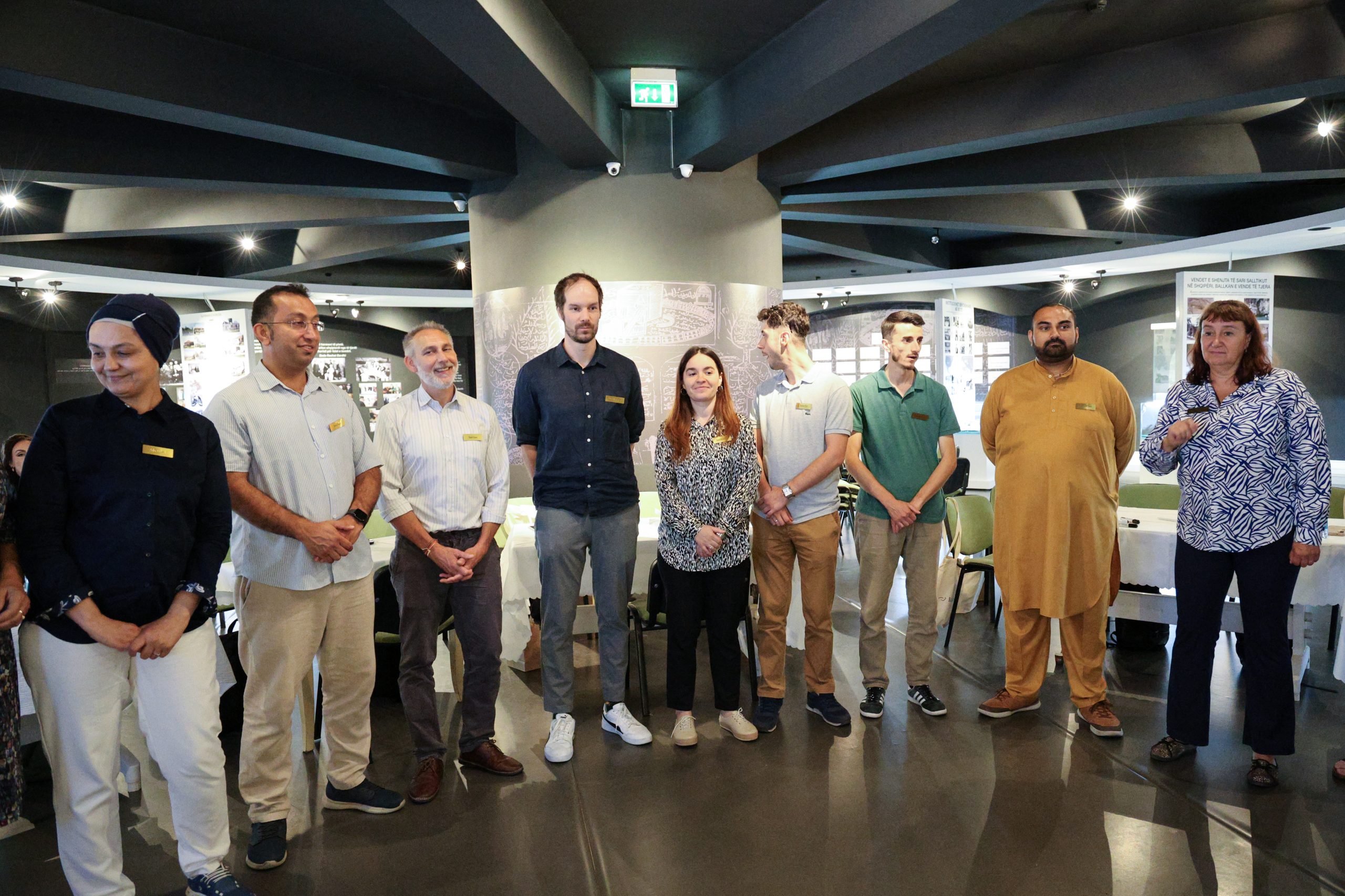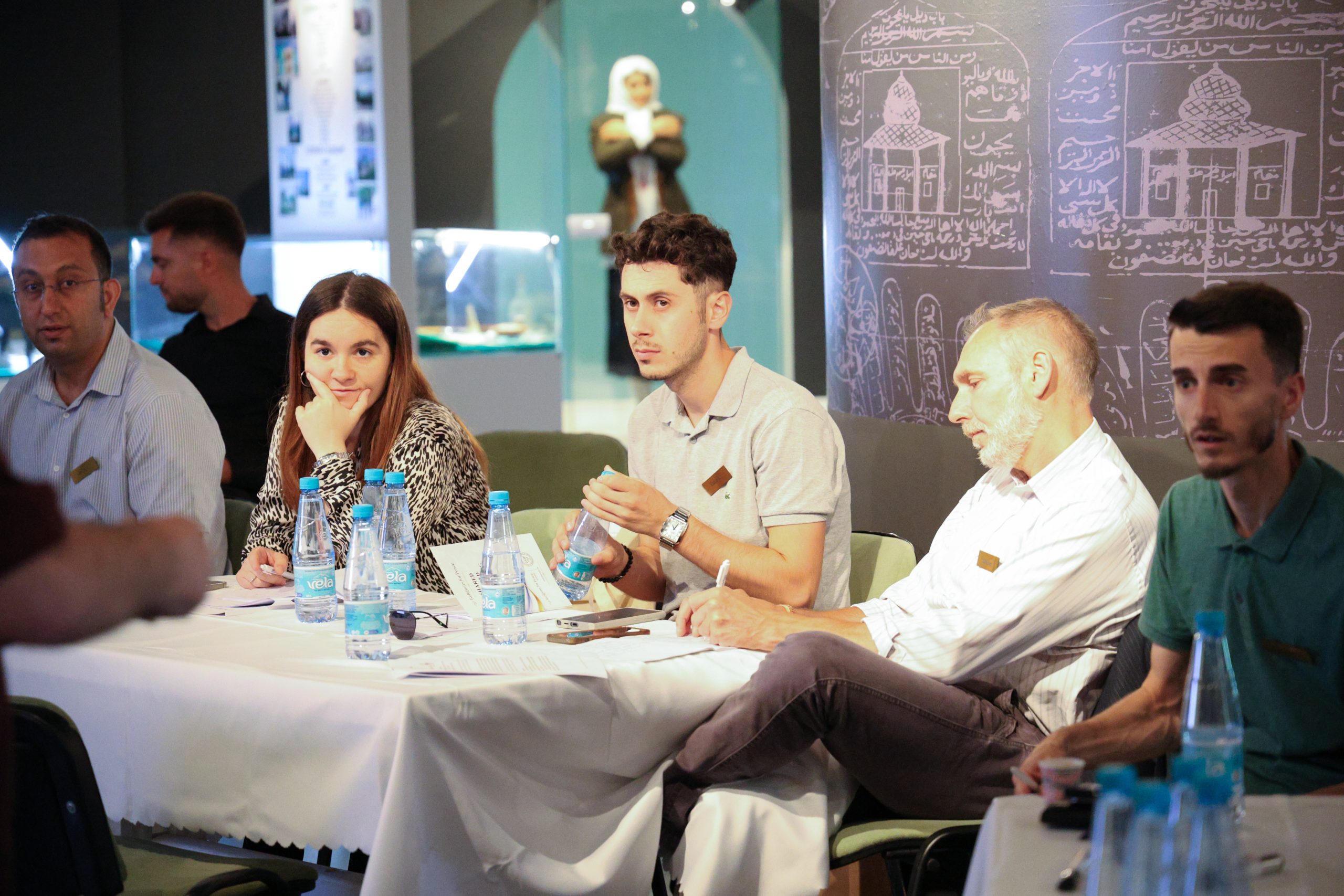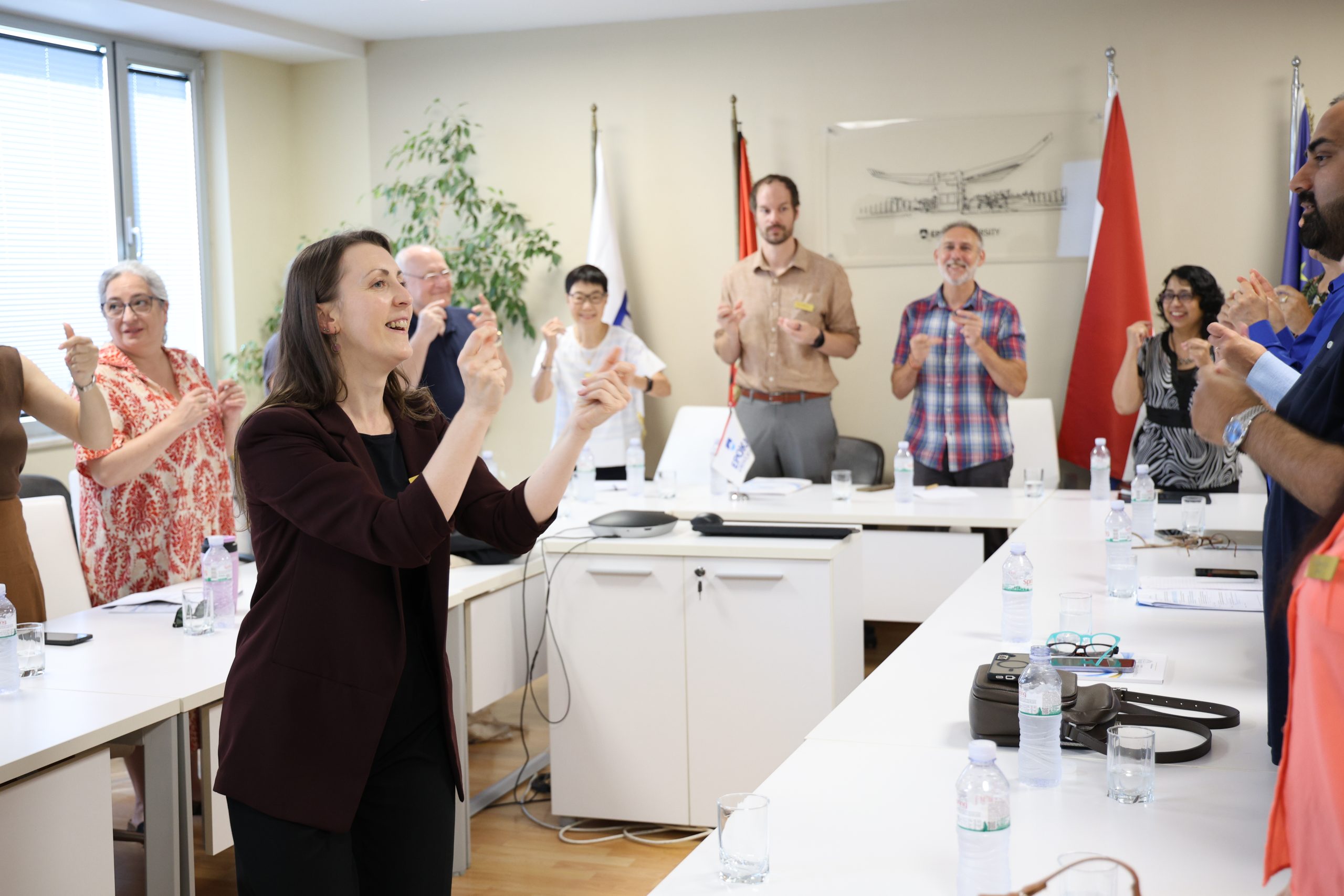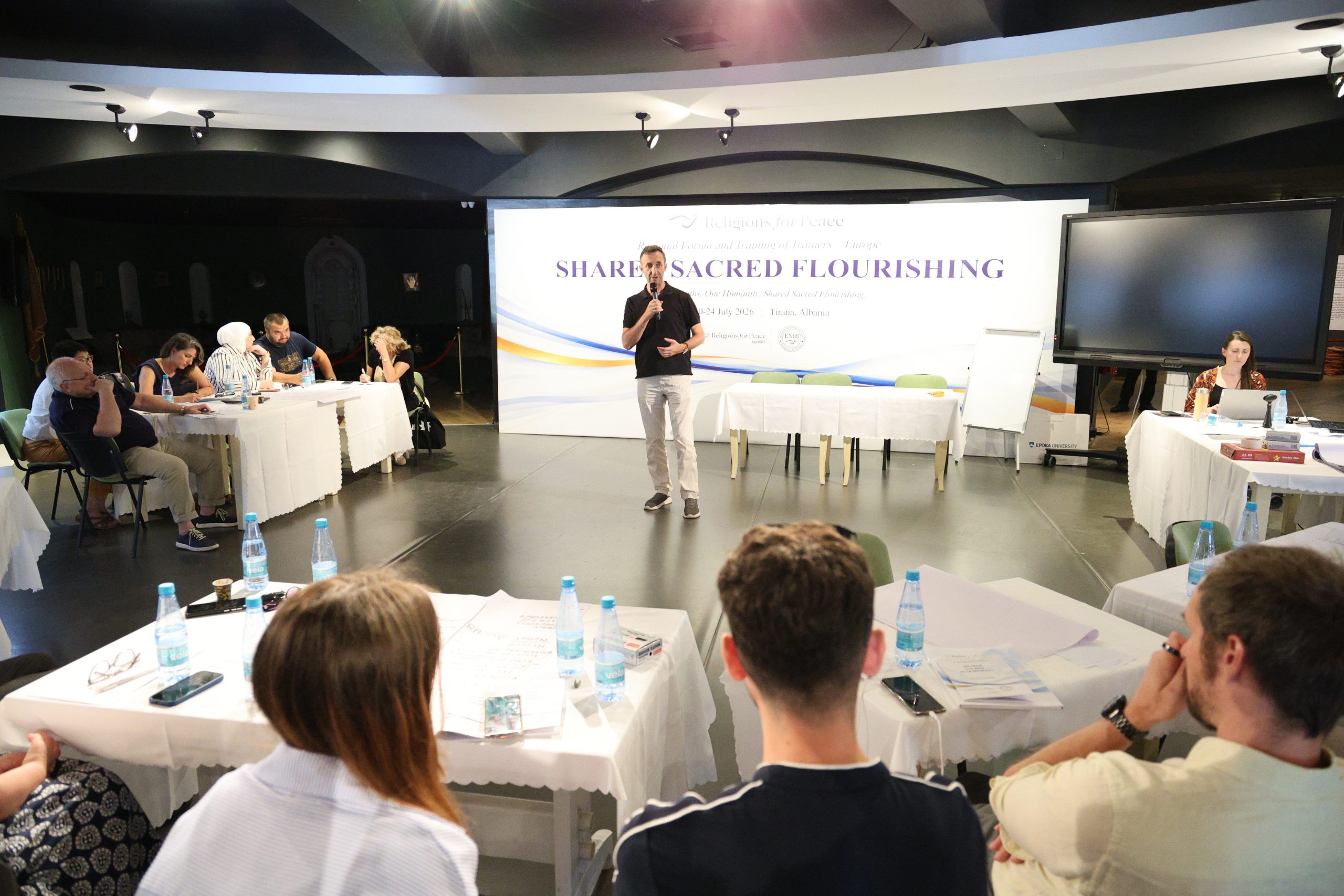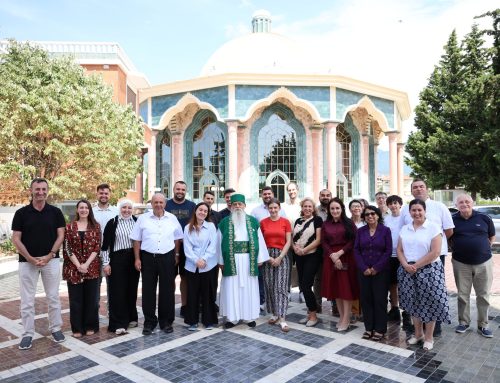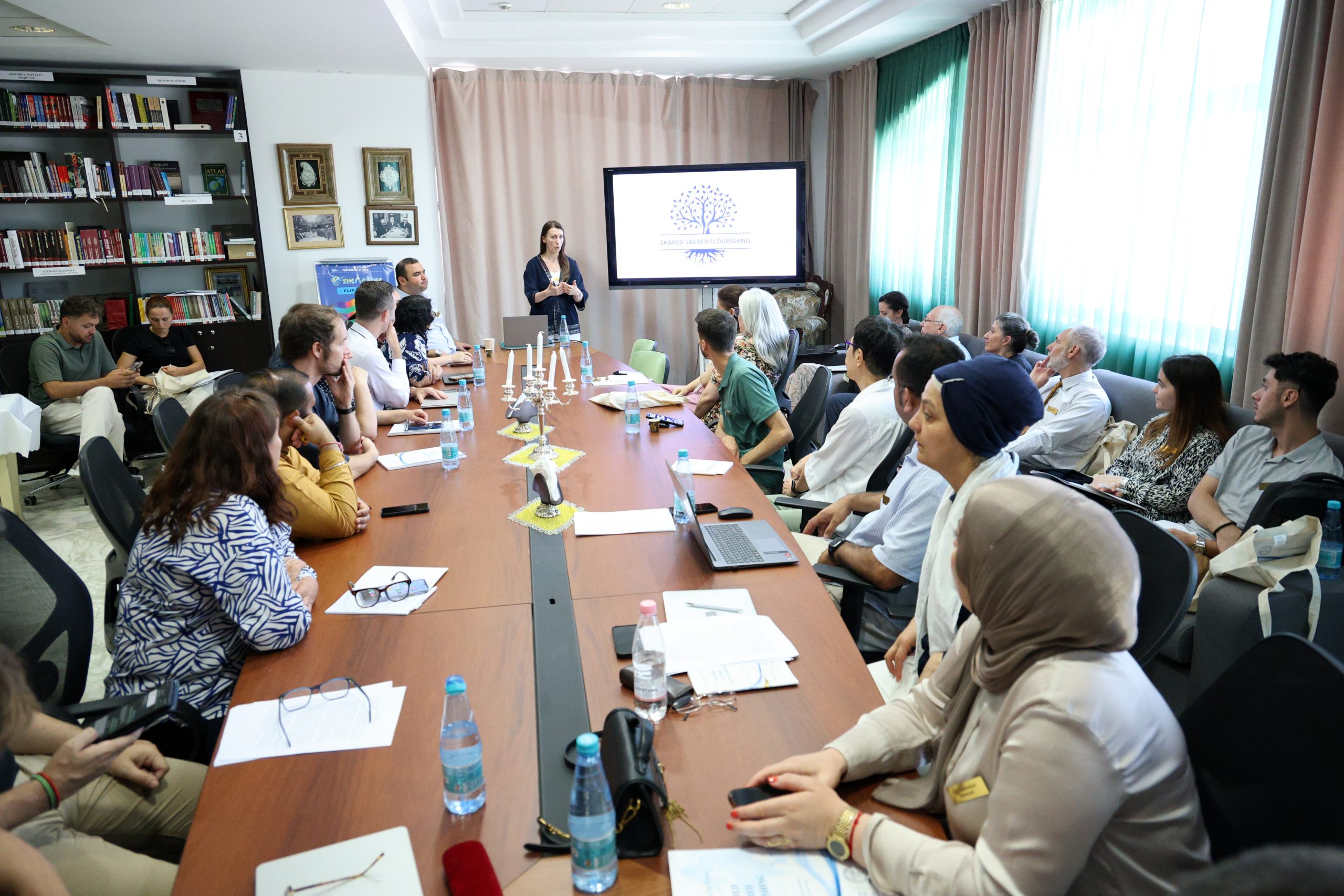
The European Regional Training of Trainers on Shared Sacred Worldview (SSW) and Shared Sacred Flourishing (SSF) successfully concluded in Tirana, bringing together representatives of national interreligious councils, faith communities, women’s and youth networks, academic institutions, civil society organizations, and partner institutions from Albania, Bosnia and Herzegovina, Finland, Germany, Greece, Italy, and Spain.
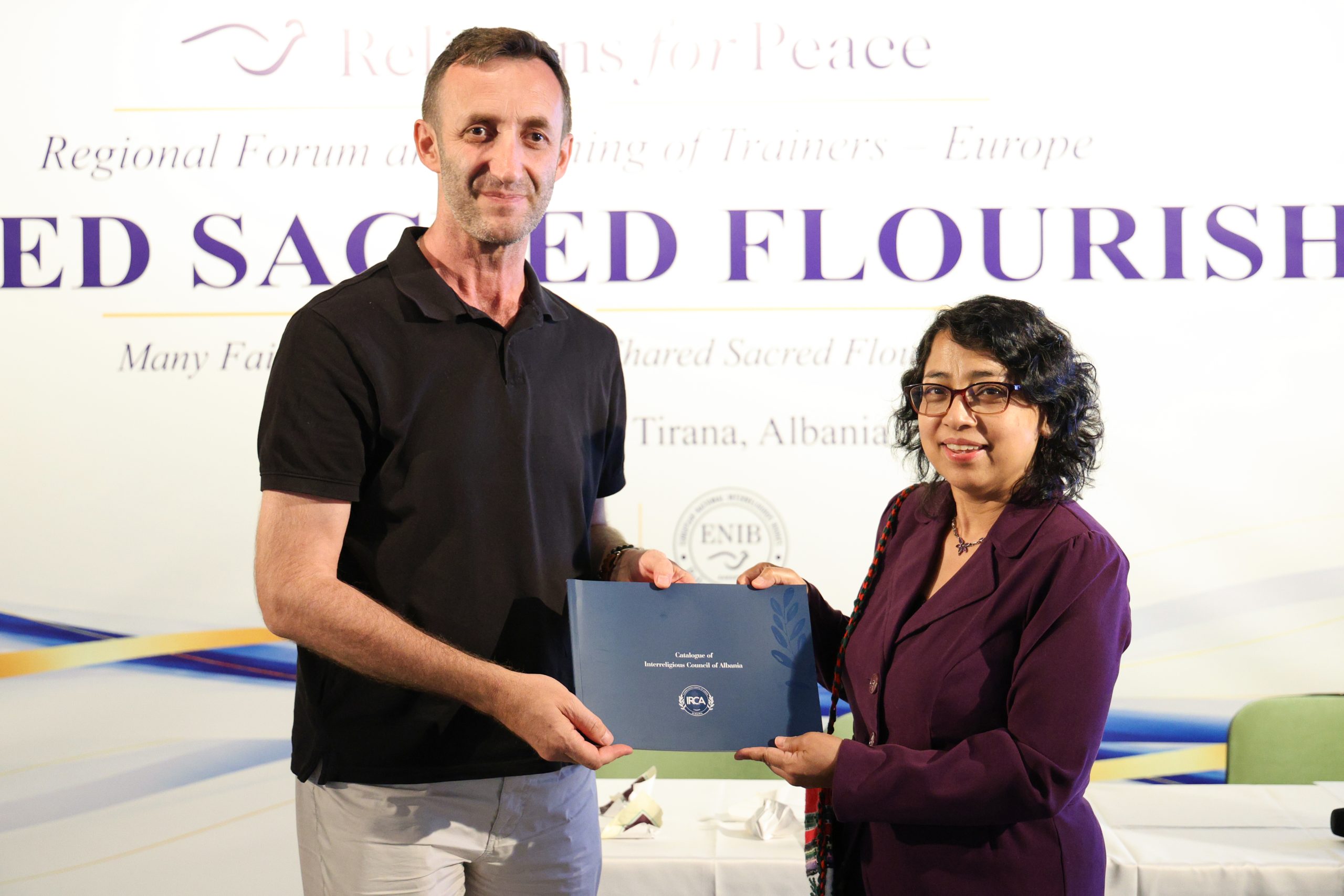
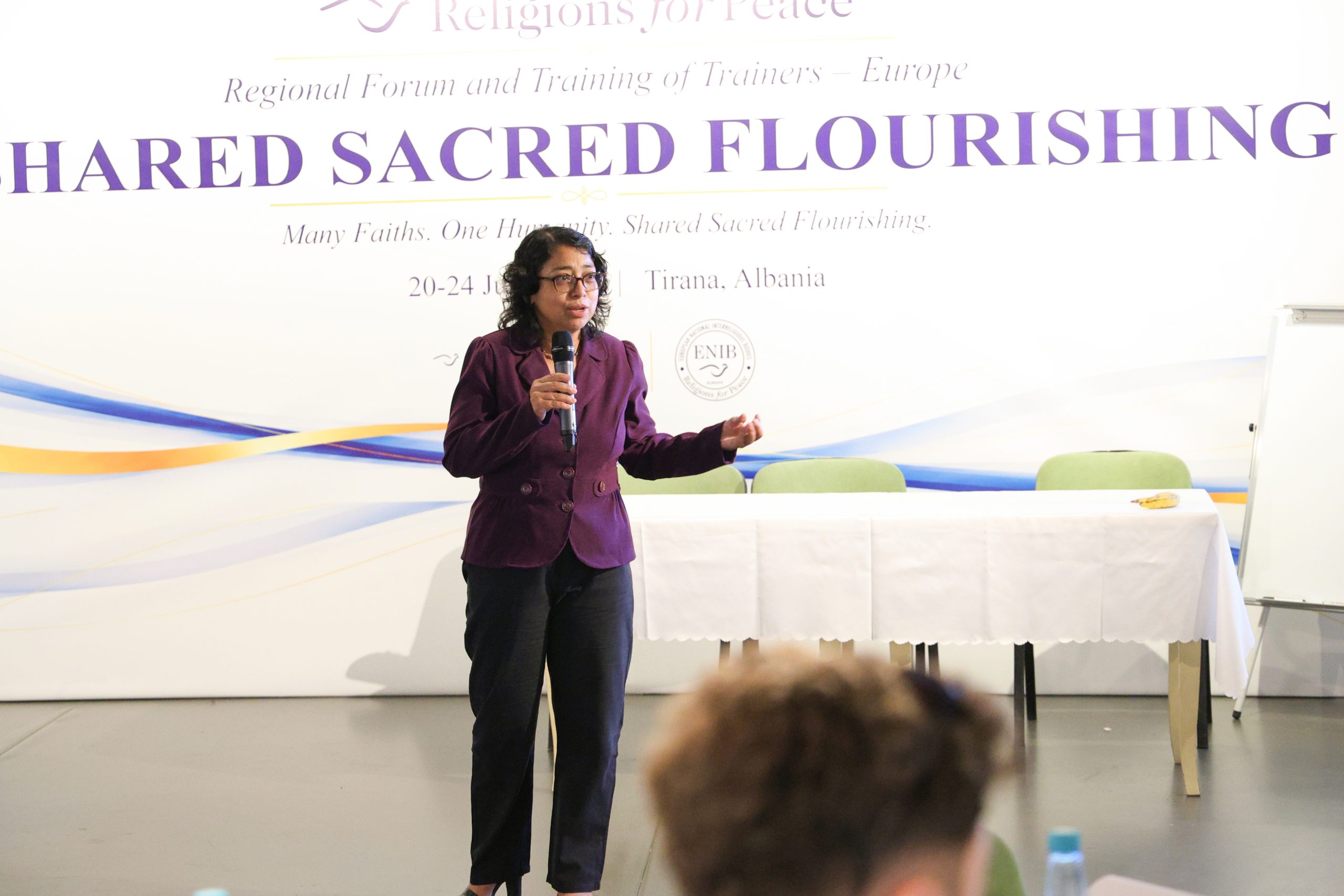
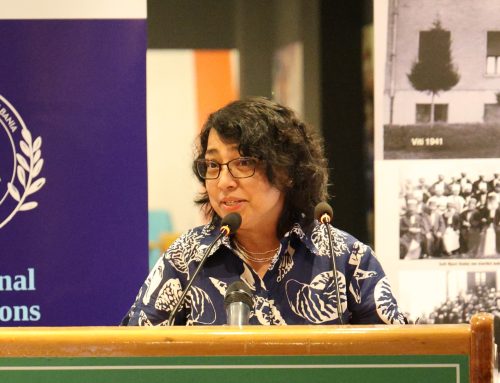
The programme was held under the leadership of Mrs. Deepika Singh, Deputy Secretary General of Religions for Peace International, and Prof. Genti Kruja, President of Religions for Peace Europe and Secretary General of the Interreligious Council of Albania. Their participation and institutional leadership highlighted the importance of close cooperation between the global, European, and national structures of Religions for Peace in advancing Shared Sacred Flourishing across the region.
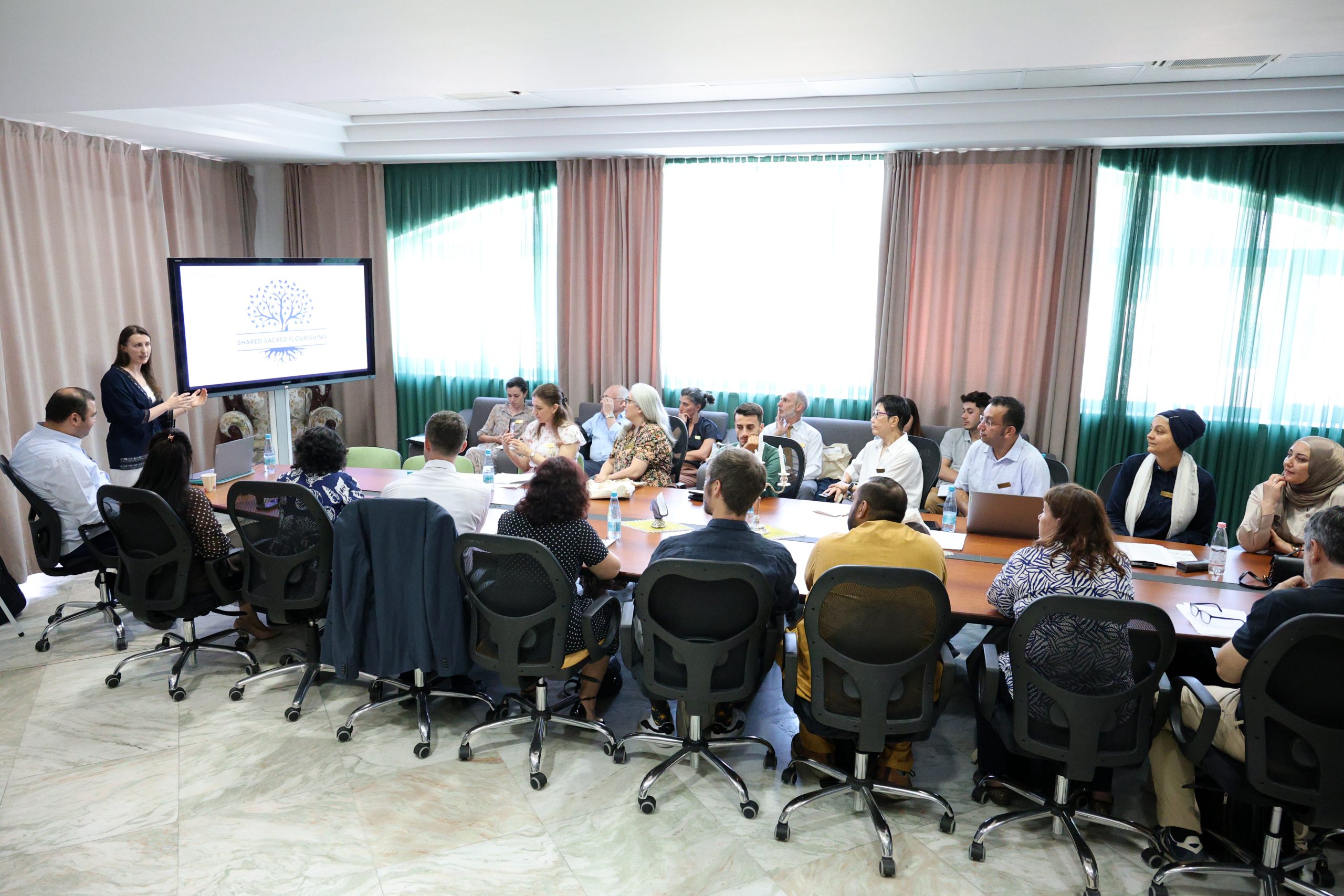
Organized by Religions for Peace International, Religions for Peace Europe and the European National Interreligious Bodies (ENIB), in cooperation with the Interreligious Council of Albania – Religions for Peace Albania, the programme aimed to equip participants with the knowledge, methodologies, and practical tools needed to promote interreligious cooperation, peacebuilding, social cohesion, and the common good across Europe.
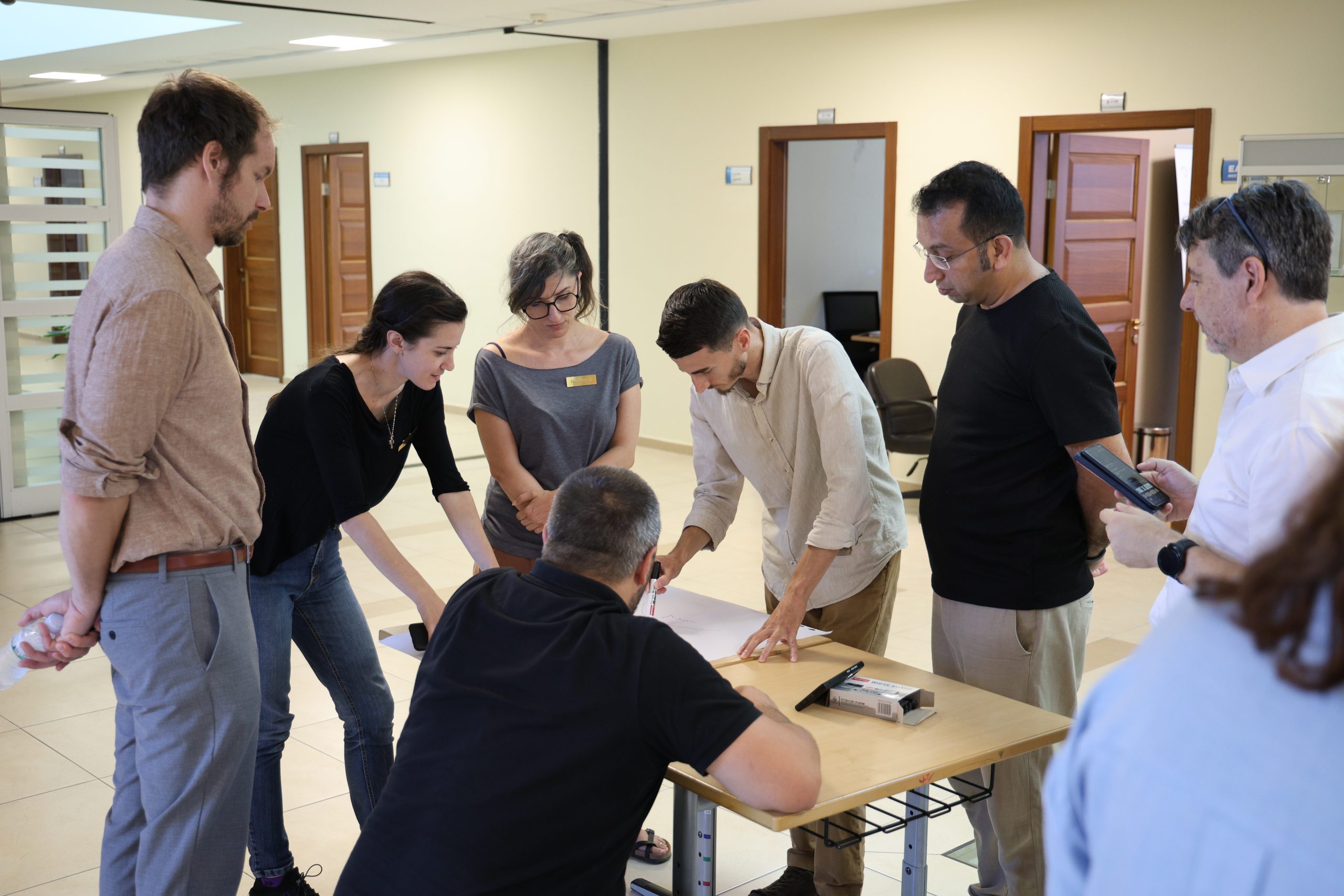
The training was facilitated by Emina Frljak and Omer Faruk Karacan, who guided participants through three days of presentations, reflections, interactive exercises, and group work in an open and inclusive learning environment.
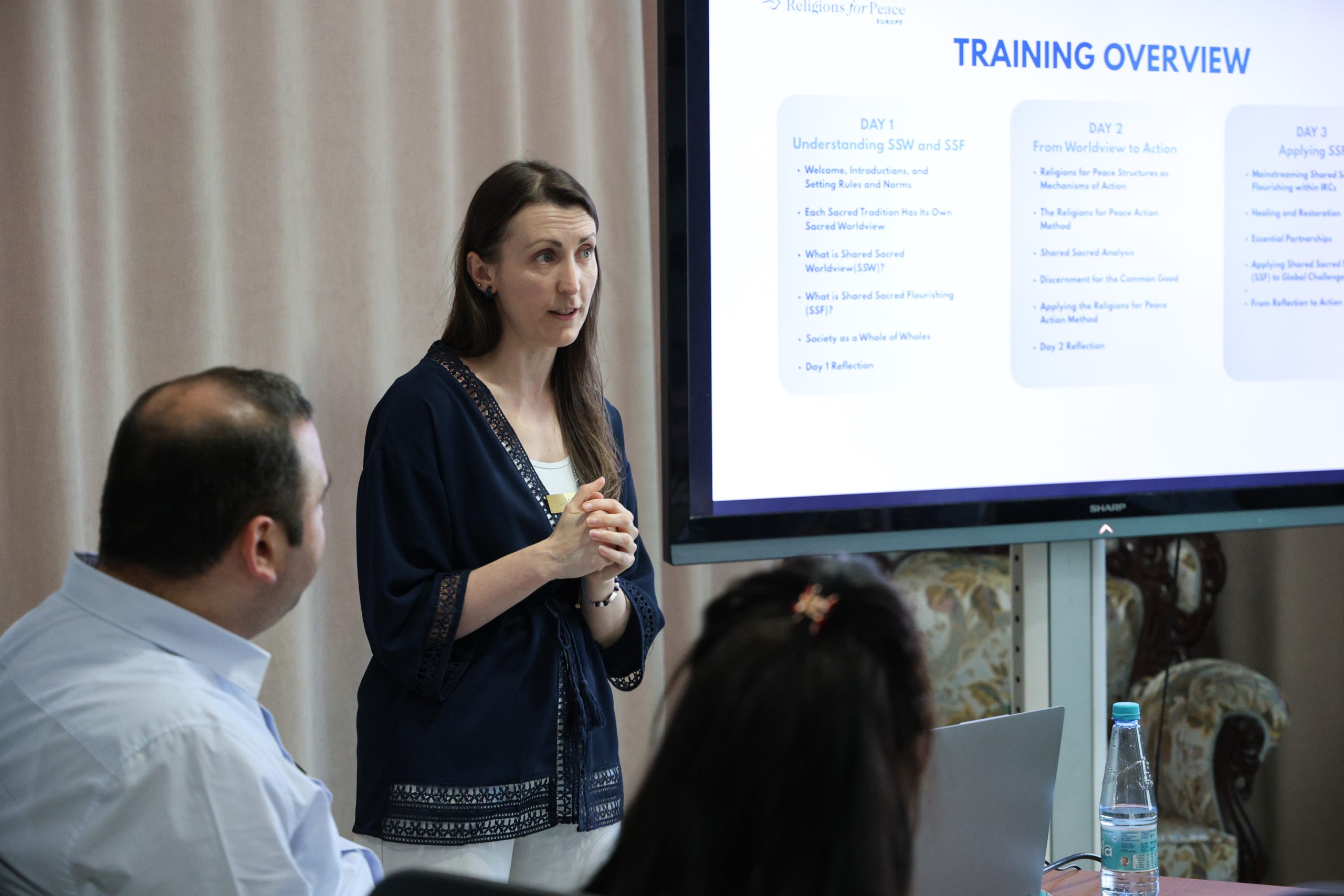
Understanding Shared Sacred Worldview and Flourishing
The first day organized at Bektashi World Center focused on introducing the fundamental concepts of Shared Sacred Worldview and Shared Sacred Flourishing and examining how religious and spiritual worldviews shape people’s understanding of reality, human life, society, responsibility, and well-being.
Shared Sacred Worldview was presented as a framework that enables cooperation between different religious and spiritual traditions while respecting the identity and integrity of each tradition. Shared Sacred Flourishing was explored as an understanding of well-being rooted in right relationships between the Sacred, individuals, society, the Earth, and the wider web of life.
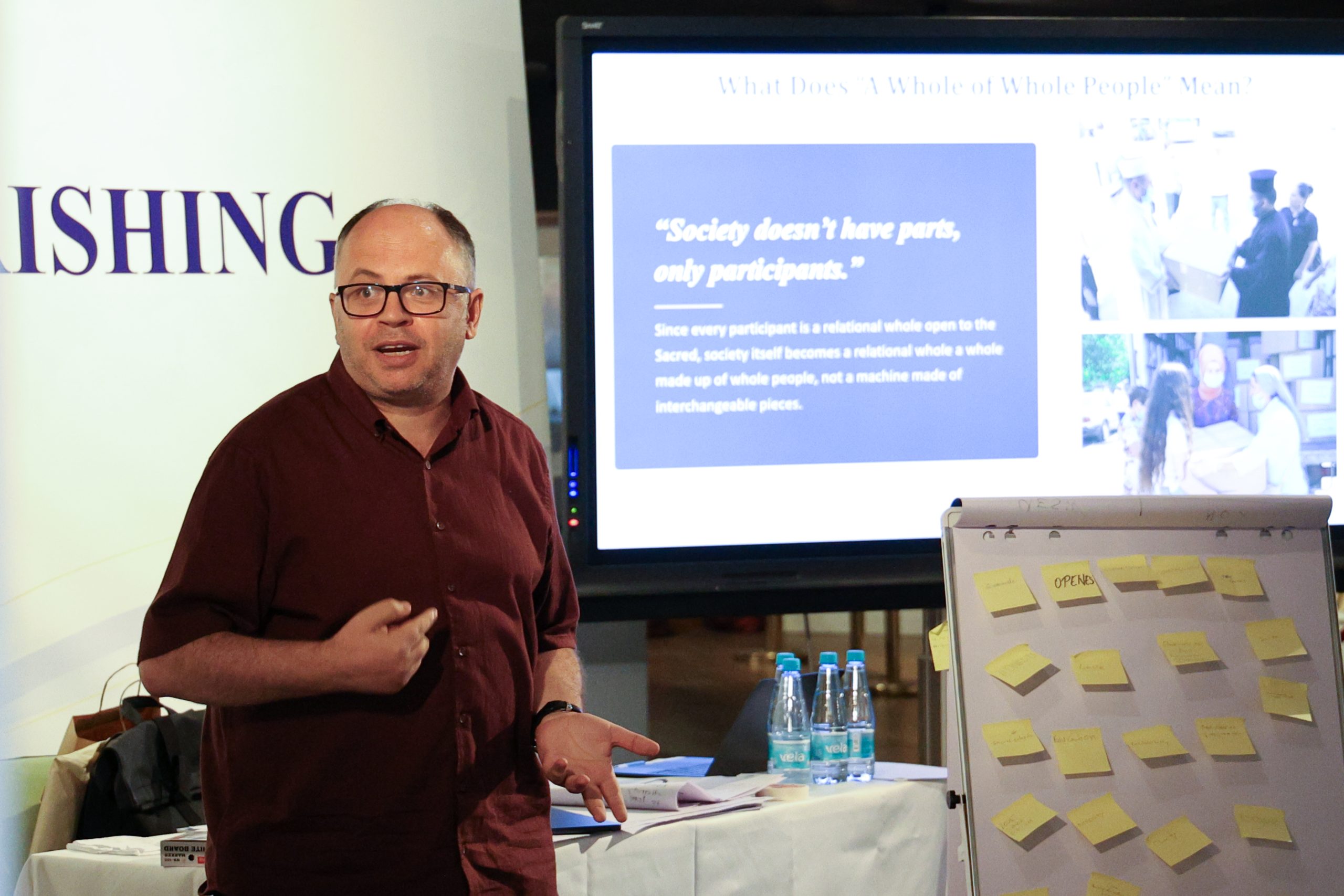
During the session entitled “Society as a Whole of Whole People,” Dr. Skender Bruçaj, university lecturer and former Chair of the Muslim Community of Albania, reflected on the role of families, communities, institutions, and social systems in advancing the common good and building a more just, inclusive, and compassionate society.
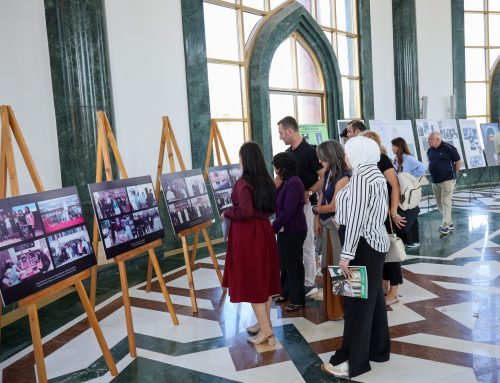
The day concluded with a cultural and reflective visit to Bunk’Art 1 and a joint dinner in Tirana.
From Worldview to Coordinated Action
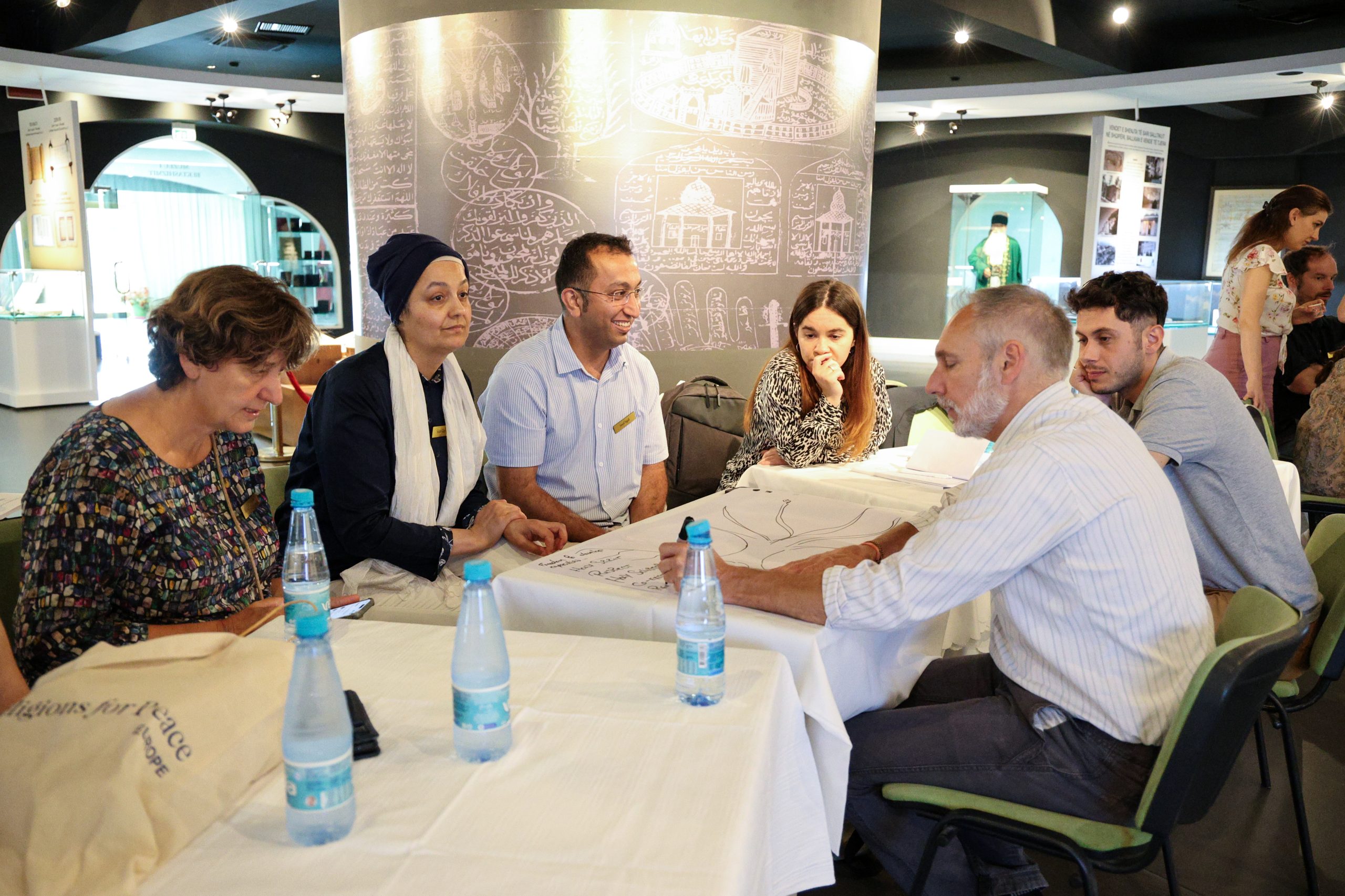
The second day, under the theme “From Worldview to Action,” concentrated on transforming shared sacred values and ethical principles into concrete initiatives through interreligious cooperation.
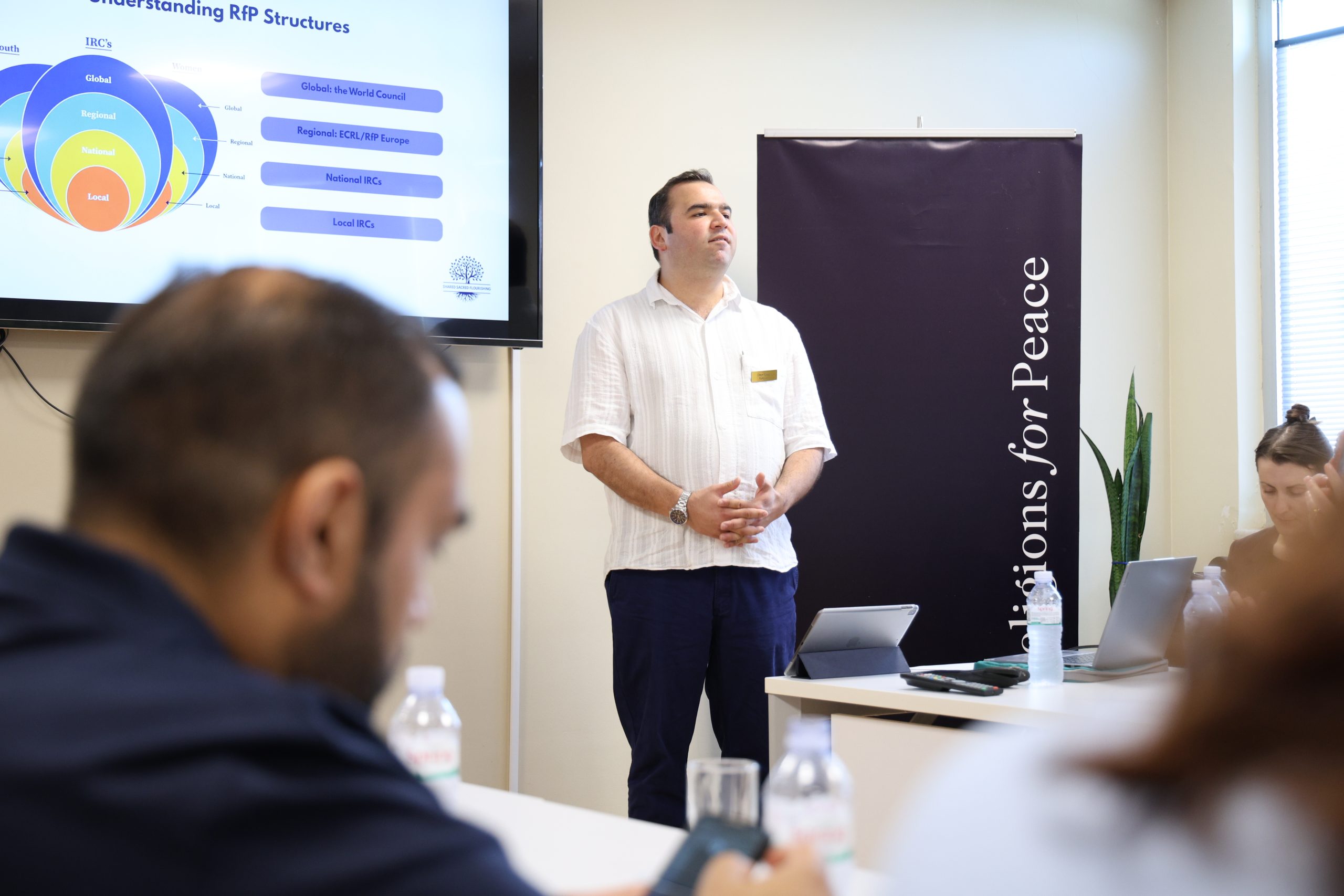
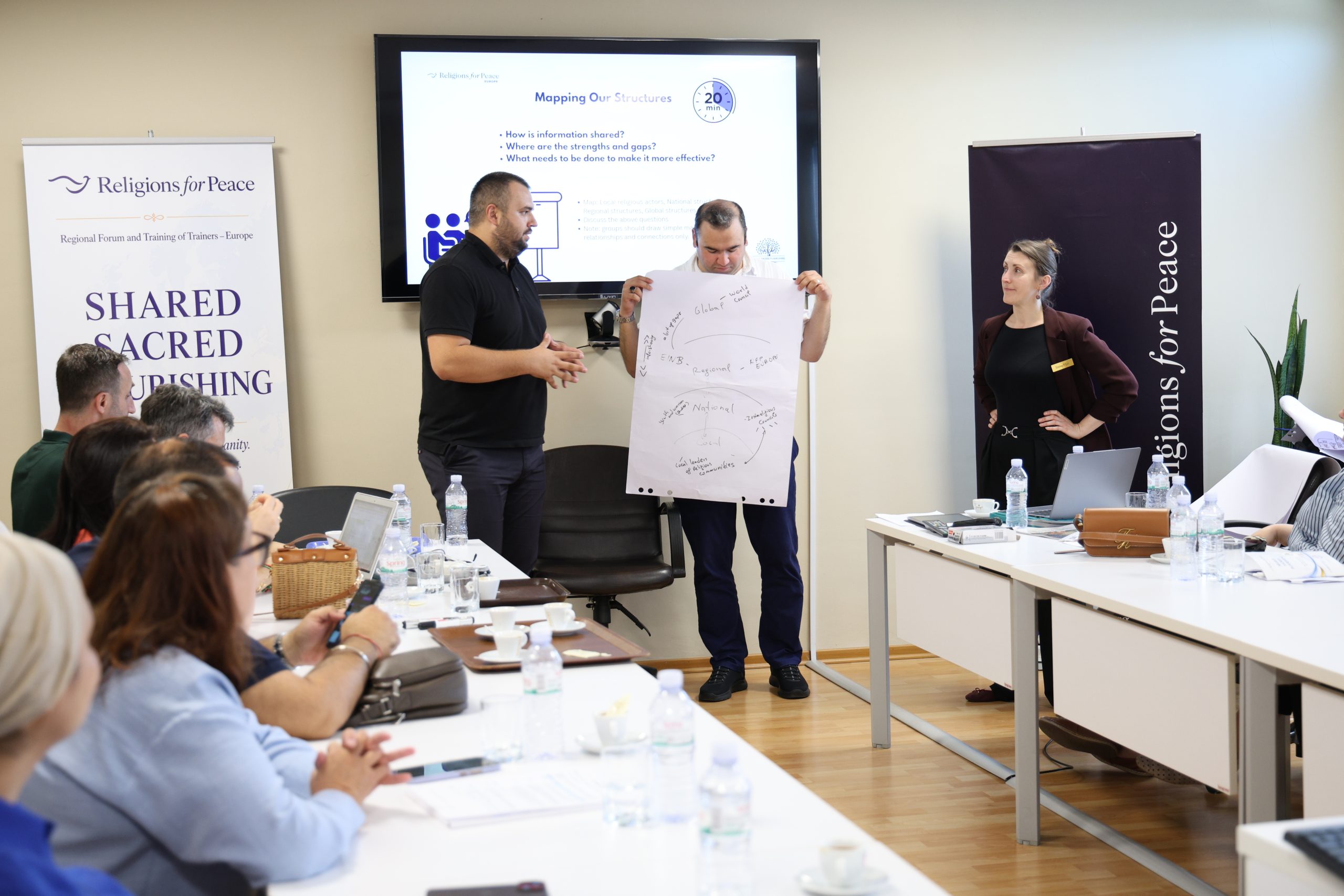
Participants examined the structures of Religions for Peace at local, national, regional, and global levels and discussed how representativity, subsidiarity, and coordinated action contribute to effective multi-religious cooperation.
A dedicated session on the Religions for Peace Action Method was led by Prof. Genti Kruja. Drawing on his responsibilities as President of Religions for Peace Europe and Secretary General of the Interreligious Council of Albania, he presented how religious communities, educational institutions, interreligious councils, and partner organizations can translate shared values into practical and coordinated initiatives addressing contemporary societal challenges. He shared the Albanian experience of peaceful coexistence, highlighting the role of the Interreligious Council of Albania and the educational institutions of the religious communities in promoting interfaith dialogue.
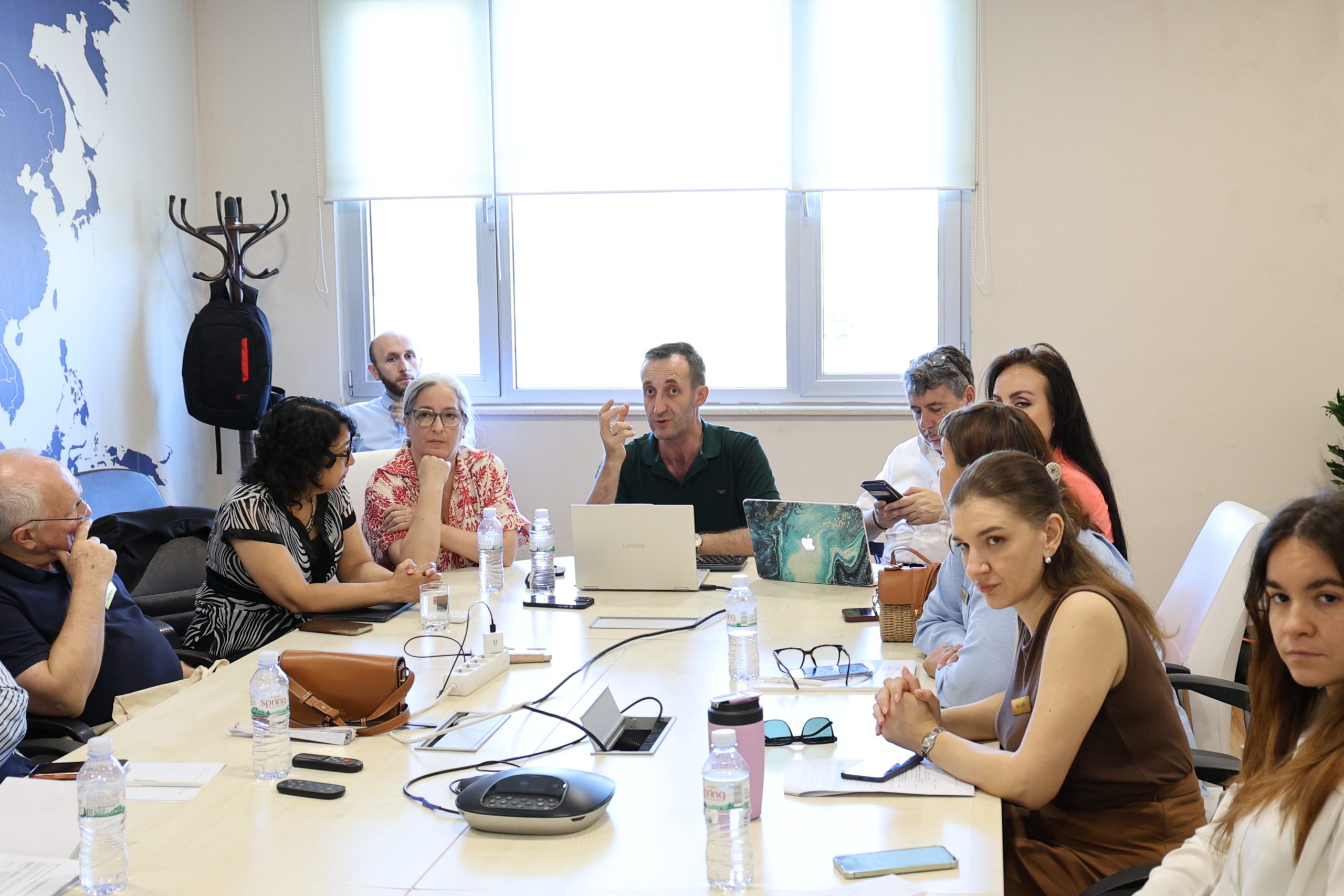
Participants were also introduced to Shared Sacred Analysis, a methodological framework for examining challenges through their material, social, spiritual, ethical, and moral dimensions. The session was facilitated by Dr. Hysni Skura, Board Member of Religions for Peace Europe.
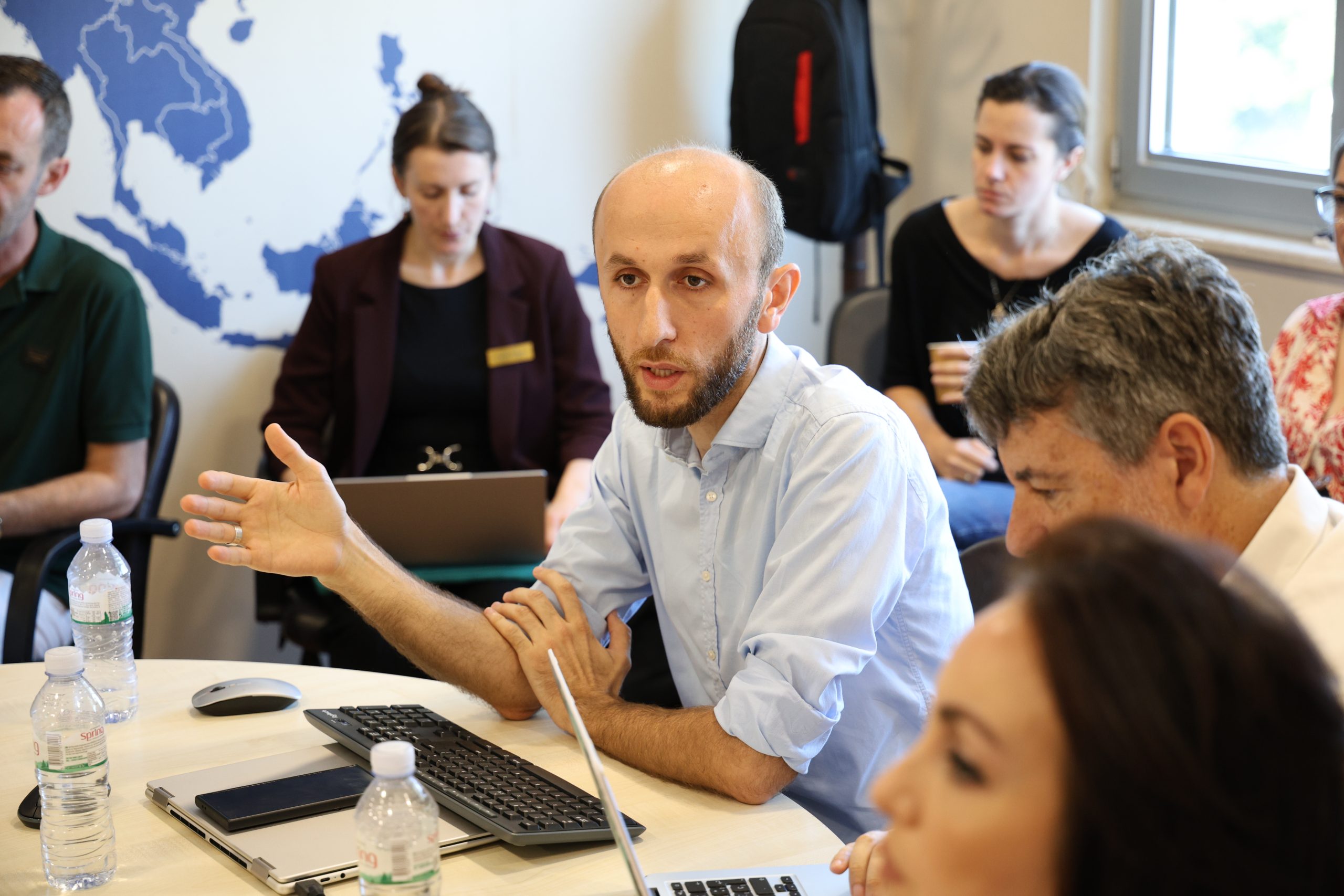
During the session on Discernment of the Common Good, participants assessed possible responses to societal challenges and identified actions capable of advancing Shared Sacred Flourishing. The discussion included a valuable contribution from Mrs. Lejdi Dervishi, Director of the Coordination Center for Countering Violent Extremism in Albania.
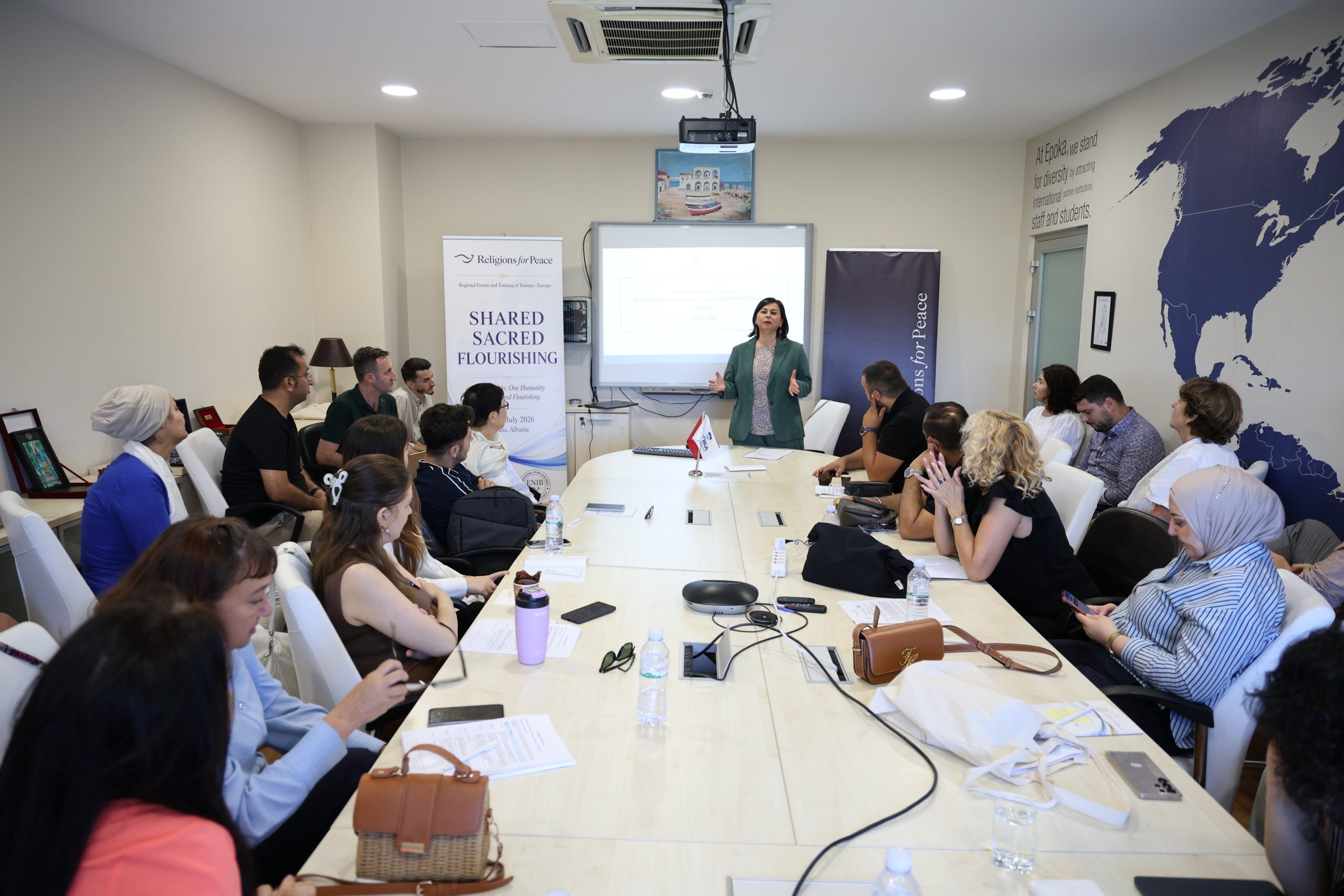
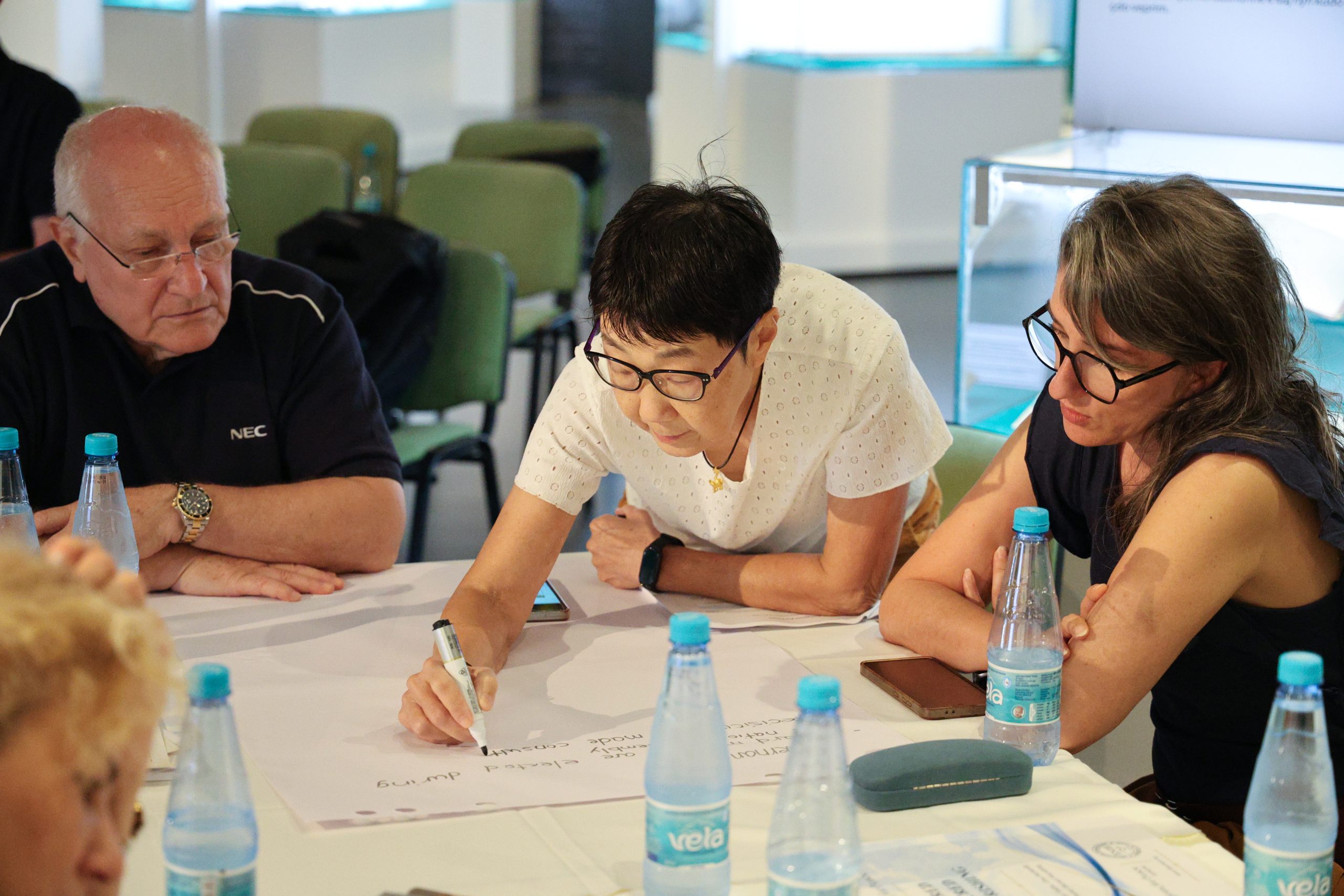
Working in groups, participants applied the Religions for Peace Action Method to design coordinated and collaborative responses to real-world challenges. The sessions were hosted at Epoka University.
Strengthening Partnerships and Addressing Global Challenges
The third and final day focused on integrating Shared Sacred Flourishing into the work of national interreligious councils and partner organizations, strengthening institutional partnerships, and preparing participants to conduct national training workshops and multistakeholder consultations in their respective countries.
A highlight of the programme was the lecture on “Essential Partnerships” delivered by Prof. Dr. Gjergji Sinani, Rector of Beder University and Professor of Philosophy of Religion. He emphasized the importance of meaningful cooperation among religious communities, governments, civil society, academic institutions, and international organizations while preserving the integrity of the Shared Sacred Worldview.
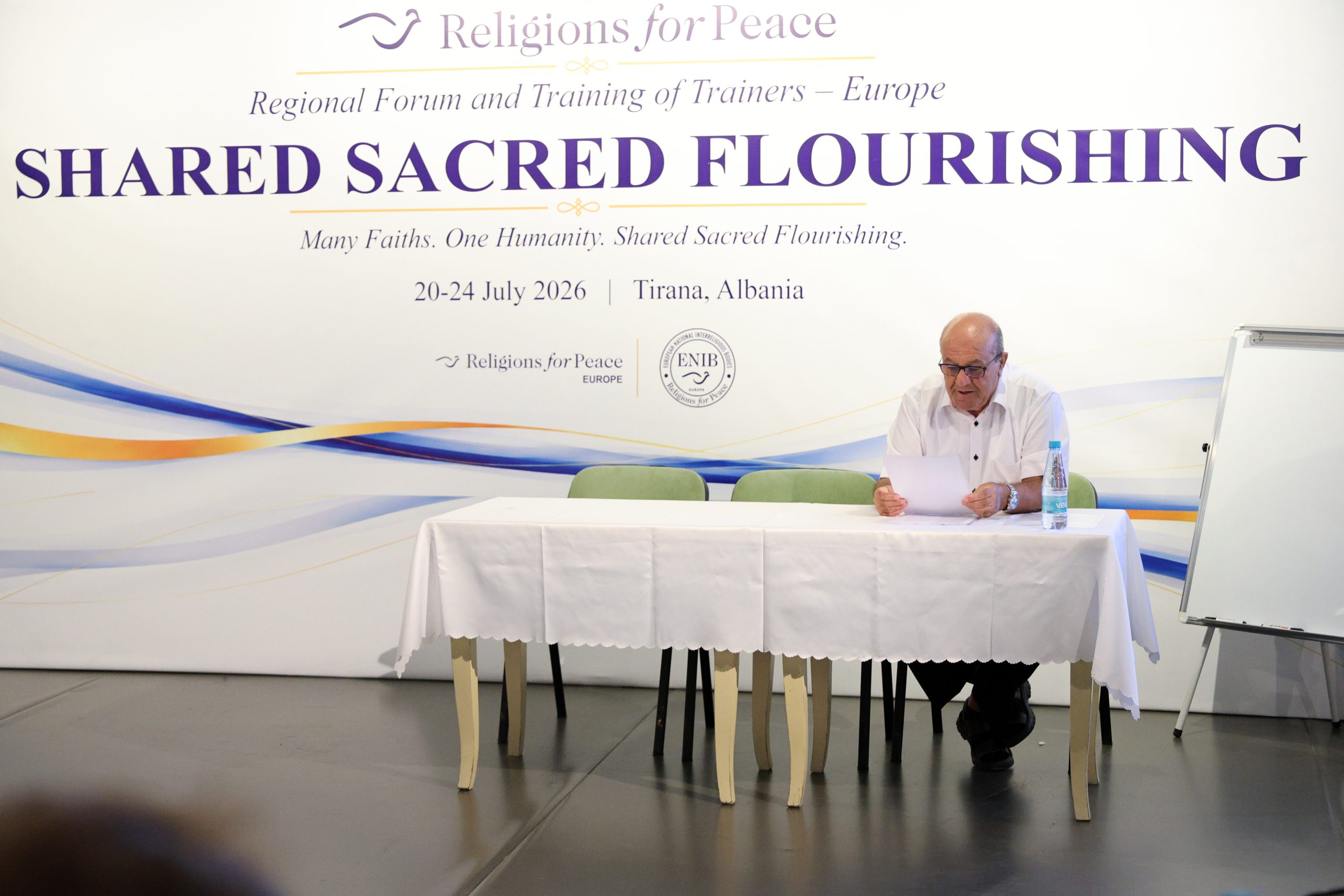
Prof. Dr. Joan Hernandez Serret, Professor at the University of Catalonia and Secretary General of Religions for Peace Spain, delivered a presentation entitled “Applying Shared Sacred Flourishing to Global Challenges.” He explored how the SSW and SSF frameworks can guide collaborative responses to complex global issues and inspire collective action across different cultural and religious contexts.
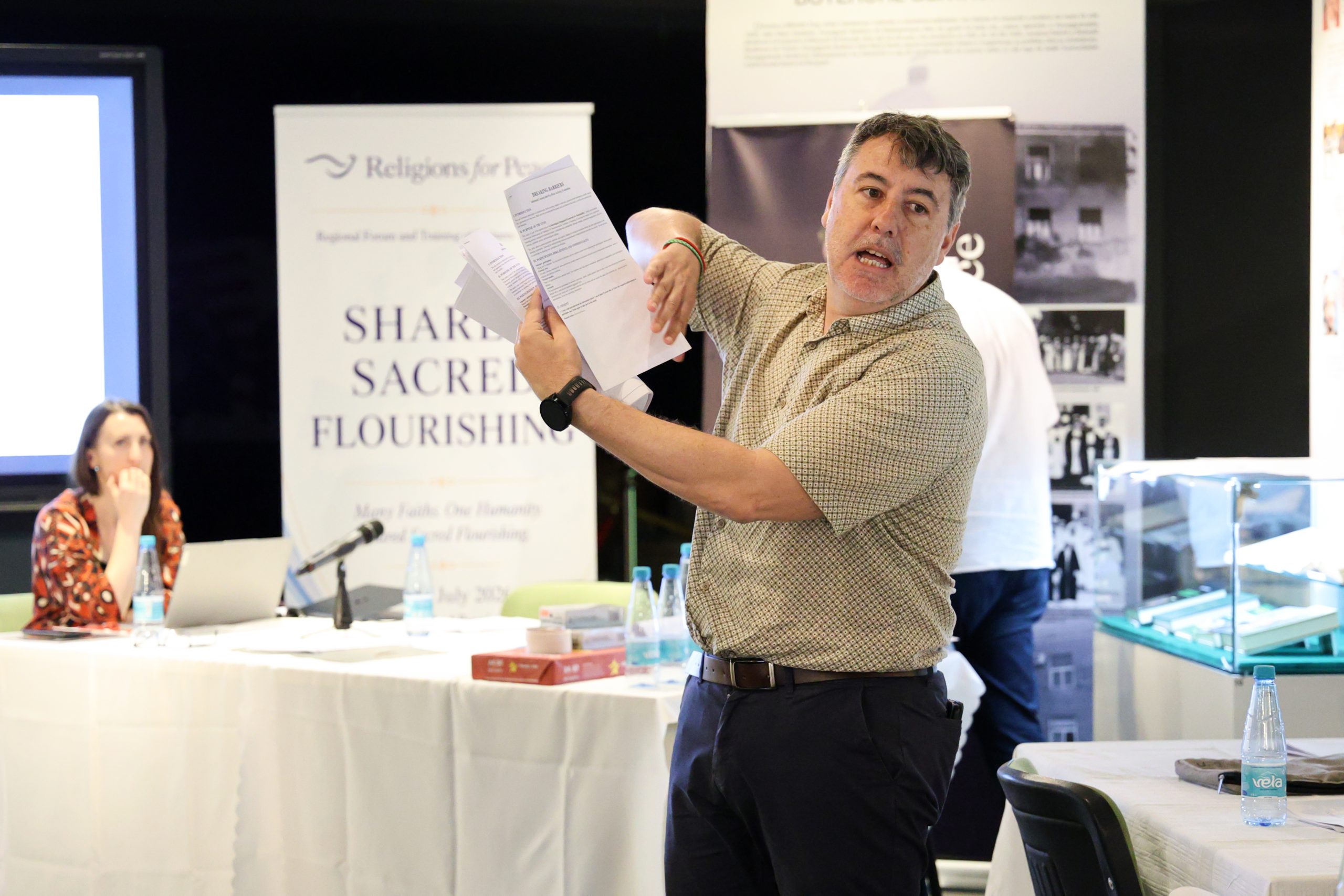
During the concluding sessions, participants reflected on the lessons learned and developed national implementation plans. They identified concrete commitments and next steps for organizing national training programmes and multistakeholder consultations, with particular attention to inclusive participation, sustainable partnerships, and coordinated action.
At the conclusion of the programme, Deepika Singh and Genti Kruja emphasized the responsibility of participants to transfer the knowledge and methodology acquired in Tirana to their national and local contexts. They underlined that the completion of the regional training was not the end of the process, but the beginning of a broader European phase of national trainings, consultations, partnerships, and practical initiatives.
The successful completion of the European Regional Training of Trainers represents an important milestone in strengthening cooperation between Religions for Peace International, Religions for Peace Europe, ENIB, and the national interreligious councils.
Through the leadership of Religions for Peace, the contribution of the facilitators and guest speakers, and the active engagement of participants, the programme established a common foundation for advancing peace, dialogue, social cohesion, sustainable development, and the common good across Europe.