Advancing Shared Sacred Flourishing in Albania: National Consultations and Stakeholder Dialogue in Berat
Berat, Albania | 30–31 October 2026
The Interreligious Council of Albania (RfP Albania), with the support of Religions for Peace, convened national consultations, an interfaith forum and dialogue with public and community stakeholders in Berat on 30-31 October 2026. The activities brought together religious leaders, members of IRCA’s Executive Board, its Women’s and Youth Departments, representatives of local religious communities, parliamentarians and local government representatives to explore how Shared Sacred Flourishing can inform collective action in Albania.
Building on the Regional Forum and Training of Trainers held in Tirana in July 2026, with participants from seven European countries, the Berat programme connected reflection on religious worldviews with the identification of national and local priorities. It provided an opportunity to deepen understanding of the Shared Sacred Worldview and Shared Sacred Flourishing framework, strengthen engagement across IRCA’s structures and explore partnerships for the common good.

Connecting religious heritage with shared responsibility
The programme began with visits to places of worship and religious communities in Berat, followed by an introductory training session and activities encouraging participants to get to know one another. The city’s churches, mosques and Sufi tekkes offered a living context for reflecting on relationships among religious communities and the responsibility to sustain them across generations.
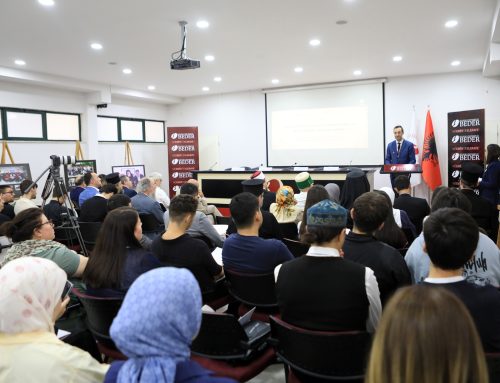
On 30 October, the Berat Interfaith Forum broadened this conversation to include representatives of public institutions and local civic life. Moderated by Sheldiana Jano Agaraj, the forum opened with a video presentation on the history of interfaith dialogue and challenges to freedom of religion or belief in Albania.
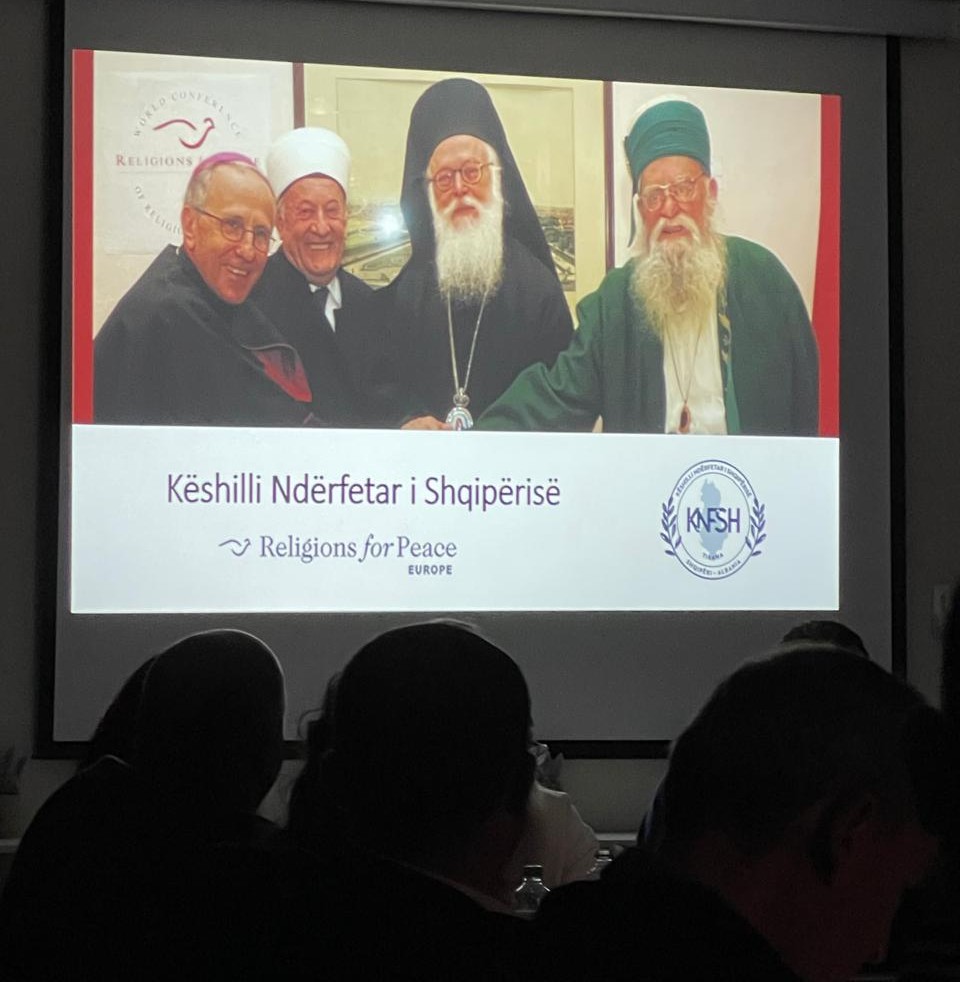
H. Dede Baba Edmond Brahimaj, President of IRCA and World Leader of the Bektashi Order, highlighted compassion, justice, love and responsibility towards others as foundations for cooperation.
“Interfaith dialogue does not ask us to be the same; it asks us to respect one another in our differences and to work together for the common good,” he said.
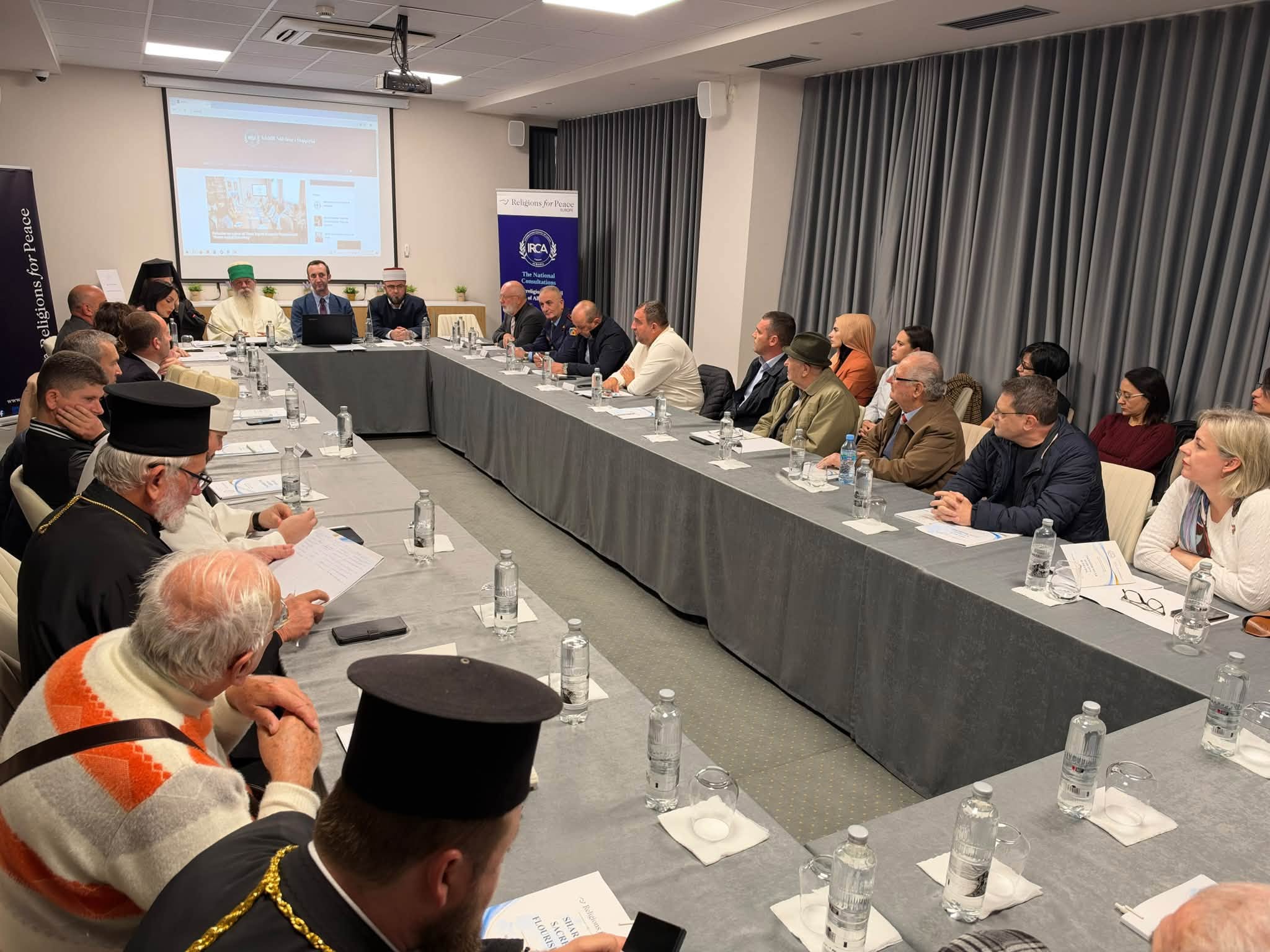
Prof. Genti Kruja, Secretary General of IRCA and President of Religions for Peace Europe, connected the discussions to the wider Shared Sacred Flourishing initiative. He emphasised the relationship between spiritual life, human dignity, social well-being and care for nature, and called for achievable steps to support young people and families, counter hate speech and strengthen trust.
Local religious leaders grounded these reflections in everyday experience. H. Bilbil Talla, Mufti of the Berat Region, emphasised education and cooperation as means of passing the city’s tradition of mutual respect to younger generations. His Grace Asti, Metropolitan of Berat, described a spirit of brotherhood sustained through personal relationships and shared responsibility. Fr. Paolo Marasco, parish priest of Berat, shared experiences of friendship, reciprocal visits during religious celebrations and support for the city’s small Catholic community.

Contextualising Shared Sacred Flourishing
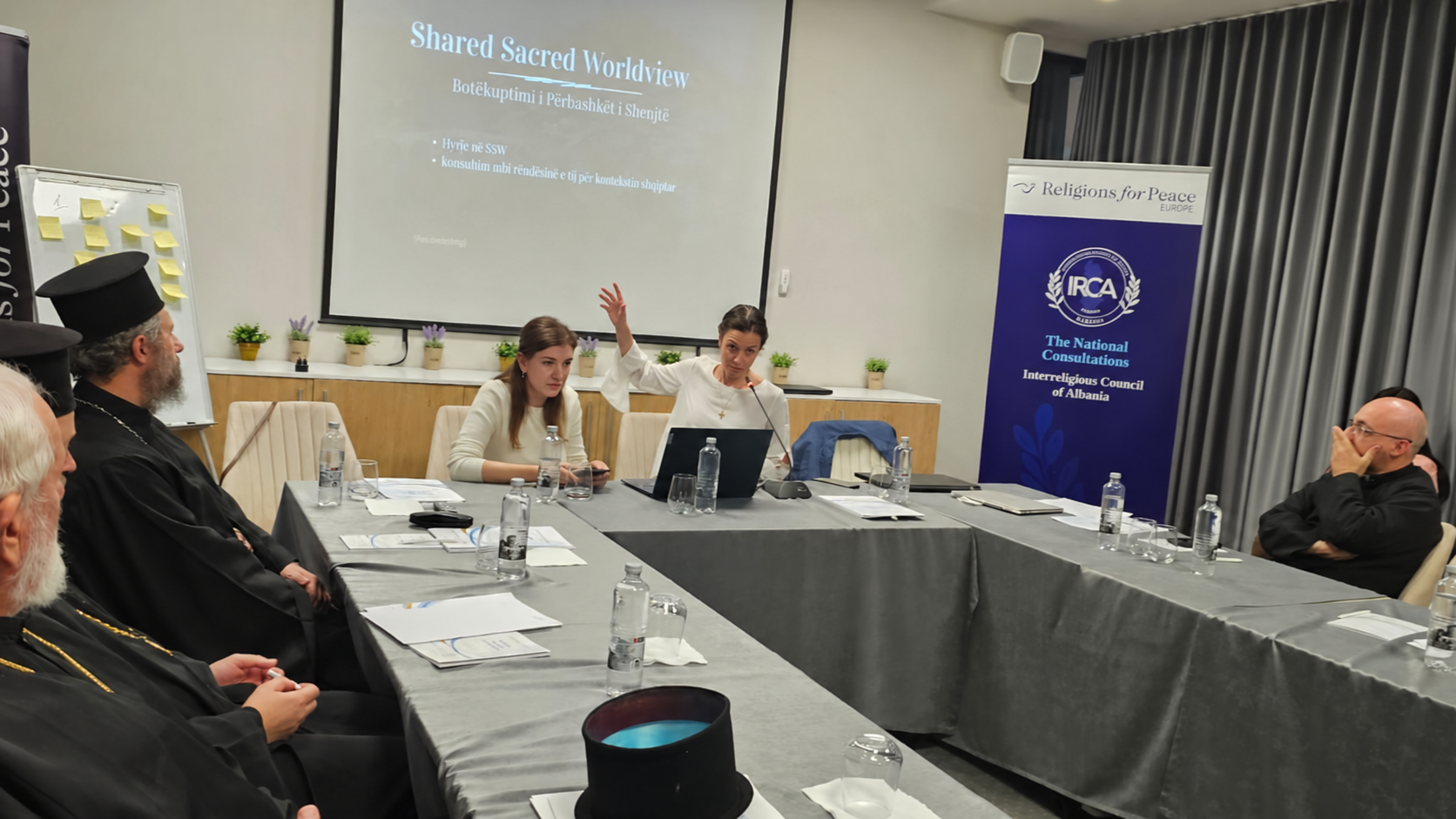
The national consultation sessions explored the sacred worldviews of different religious traditions and the Shared Sacred Worldview as a meeting place for cooperation that honours each tradition’s distinctive identity. Participants considered relationships with the Sacred, other people, society, and the Earth and its web of life, and reflected on their relevance to IRCA’s mission.
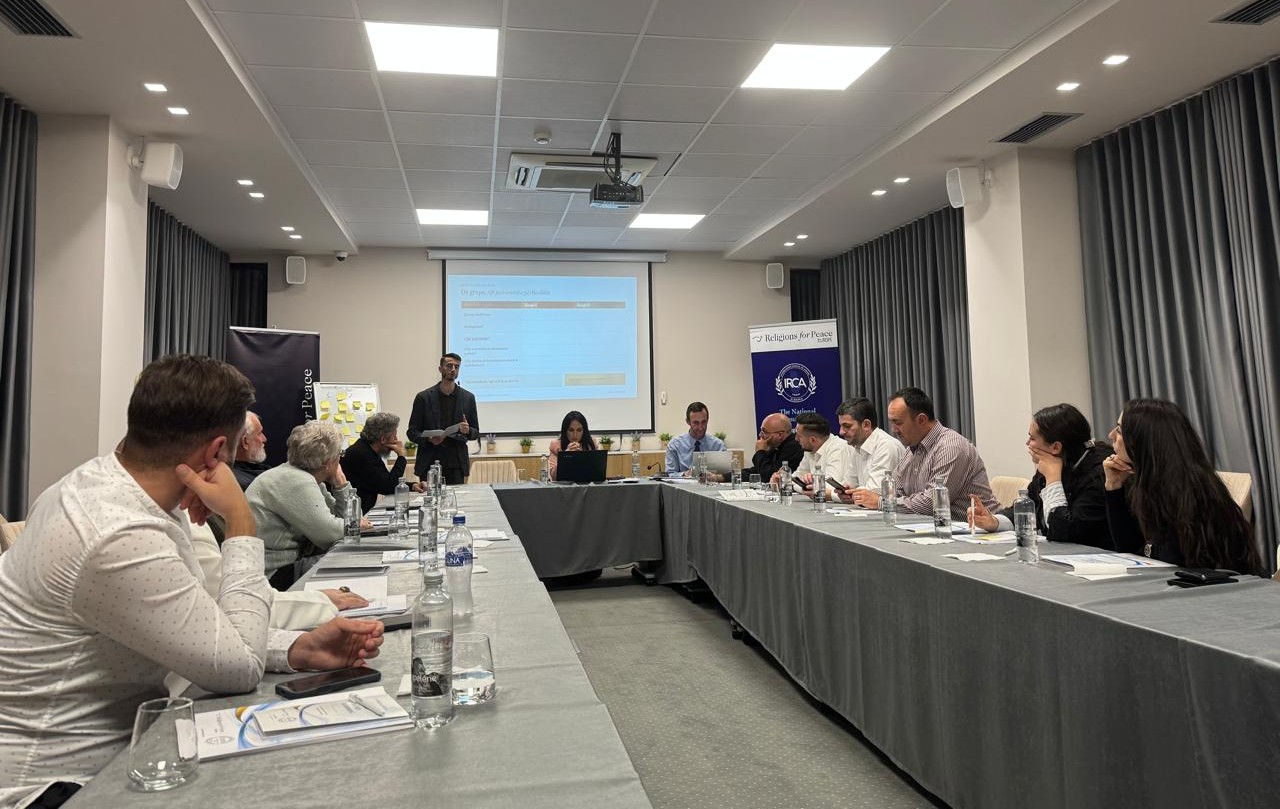
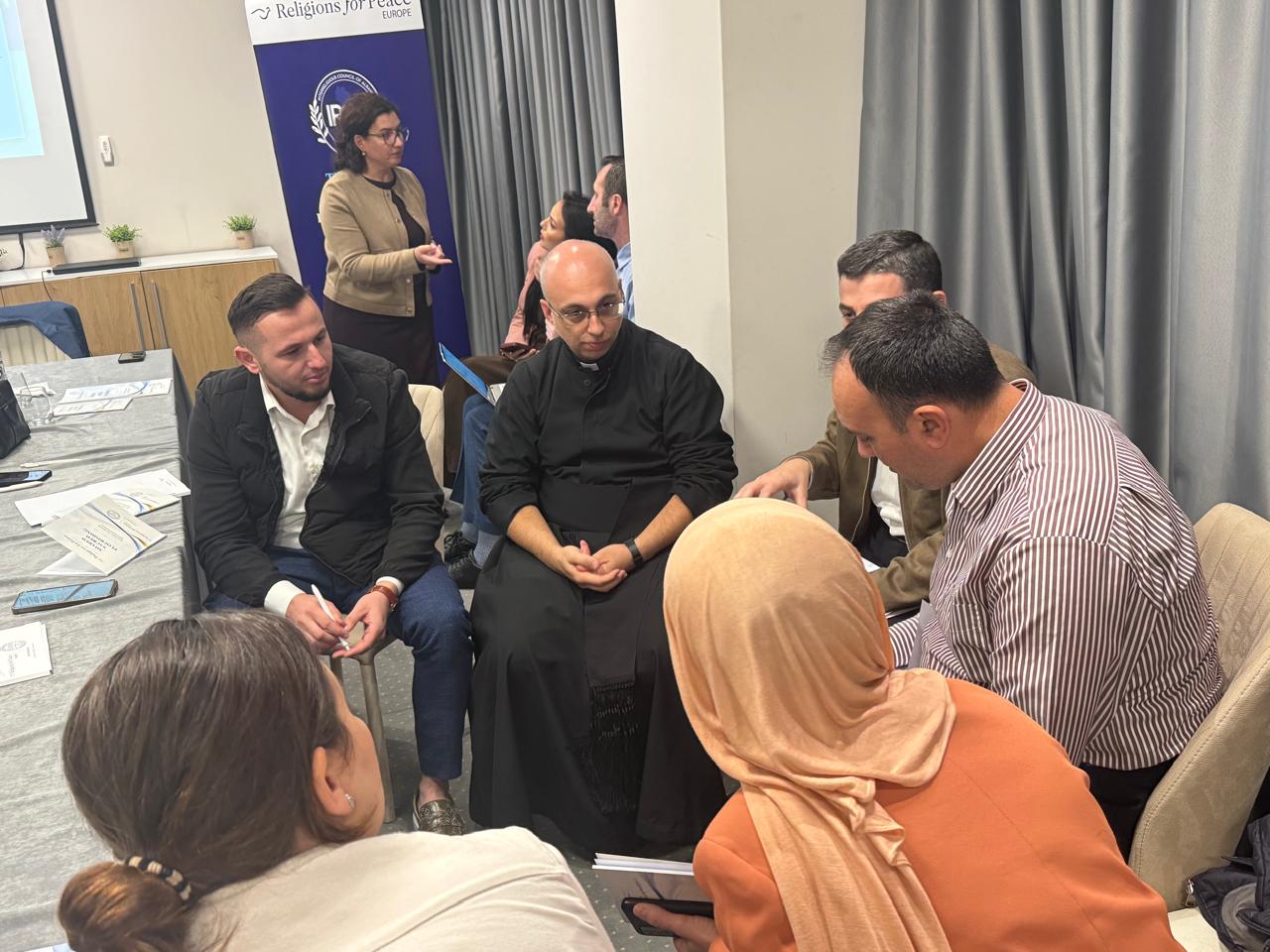
Through facilitated discussions and mixed-group work, participants examined how compassion, dignity, responsibility and care for life could guide responses to challenges in Albania. Sonila Rembeci, Mehmet Disha, Ana Bërbati, Ada Lushi and Sheldiana Jano Agaraj supported the moderation and facilitation of the sessions. Prof. Kruja led the session on joint action in the Albanian context, encouraging participants to identify challenges, examine their causes and consider the resources religious communities could bring to addressing them.
The recommendations emerging from the discussions included joint training with local institutions on religious properties and places of worship; improved access to legal information for religious communities; stronger cooperation between IRCA and local communities; and joint human rights initiatives. Participants also raised education about religion in schools and the relationship between secularism and freedom of religion or belief.
Further priorities included support for families and older people, solidarity with people in need, ethical communication, environmental protection and respect for the practices of each religious tradition. The participation of women and young people helped bring different experiences and perspectives into the identification of these priorities.

Engaging public institutions and local stakeholders
The forum’s exchanges with public representatives created space to explore how interreligious priorities could connect with wider institutional responsibilities and community needs.
Contributors included Kreshnik Hajdari, Mayor of Kuçova; Members of Parliament Fadil Nasufi, Hatixhe Konomi and Zija Ismaili; and Kasion Hasimetaj, Chairman of the Berat Branch of the Democratic Party. Discussions addressed family well-being, parental responsibility, the restitution of religious communities’ properties and closer consultation between public institutions and religious communities.
Mayor Hajdari expressed willingness to support awareness-raising meetings and discussions with religious communities, particularly involving younger generations. These exchanges identified opportunities for continued engagement and local cooperation.
The Berat programme concluded with participants’ reflections and the collection of recommendations to inform further work. By connecting religious leadership, women and youth with public and community stakeholders, the activities advanced the contextual application of Shared Sacred Flourishing in Albania and identified practical directions for cooperation in peacebuilding, education, social cohesion and environmental care.