Building Peace Through Interreligious Dialogue: Religions for Peace Italy Meets in Rome
Rome, 4–6 October 2026 | National Consultation on Interreligious Dialogue
Religious communities, spiritual leaders and participants came together in Rome from 4 to 6 October 2026 for a national training course organised by Religions for Peace Italy. Combining encounters across faith traditions with participatory workshops, the three-day programme explored how shared spiritual values can inspire practical cooperation for peace.
Focused on Shared Sacred Worldview and Shared Sacred Flourishing, the course equipped participants with approaches and tools they can bring back to their communities across Italy. Its guiding question was how interreligious dialogue can move beyond mutual understanding to address suffering, injustice, conflict and ecological harm.
 Encounters across faith traditions
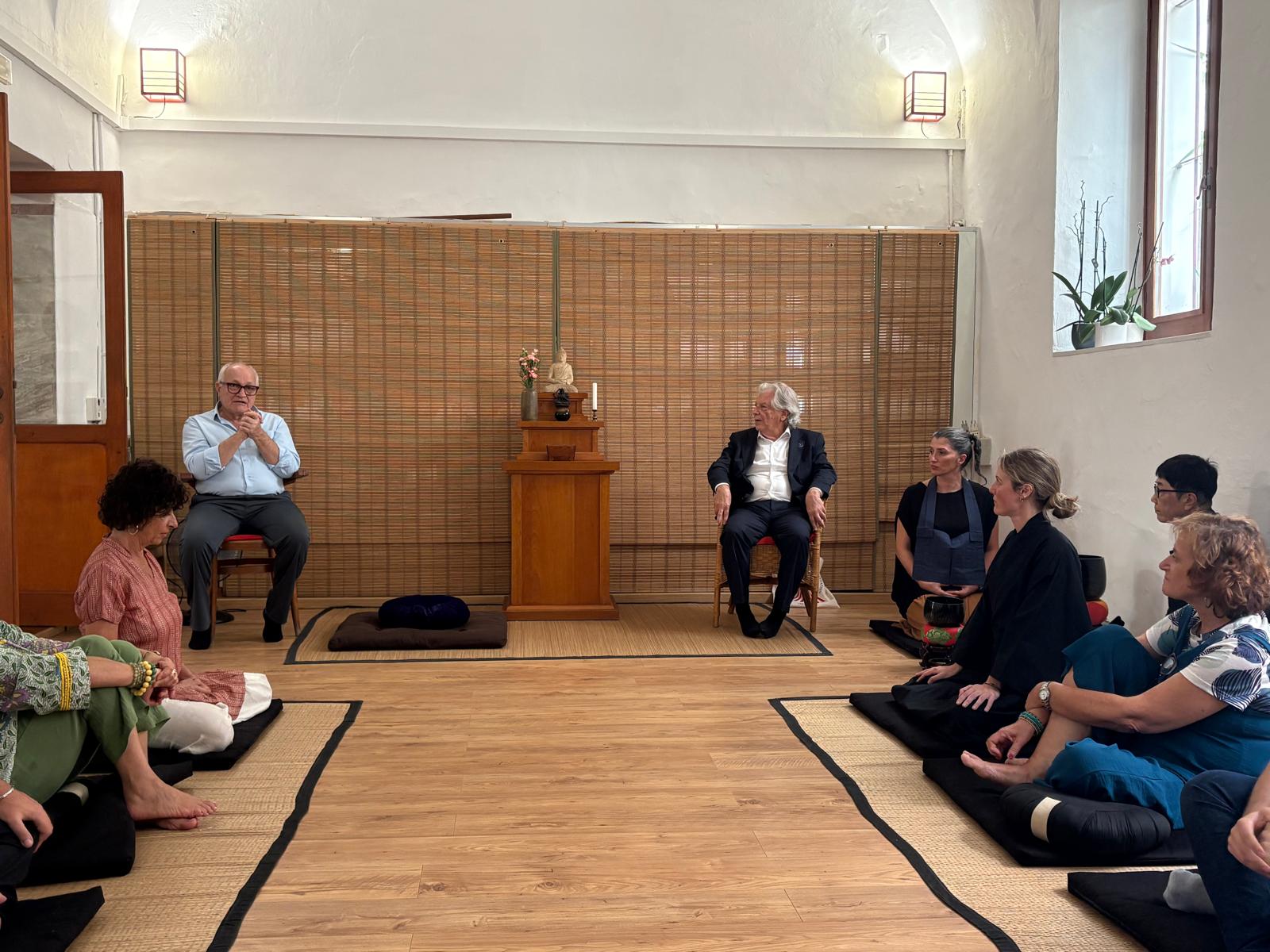
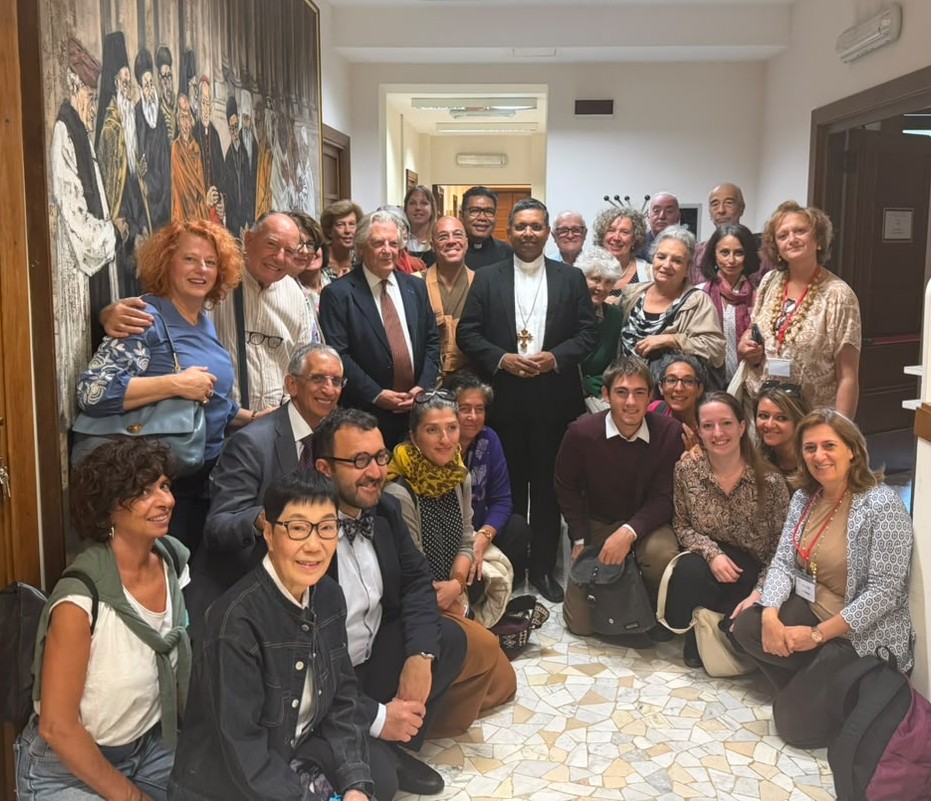
The programme began on Sunday 4 October with visits to religious communities across Rome. At the Buddhist Temple, L’Arco Zen Centre, participants explored the connection between inner transformation, compassion and active commitment to peace.
At the National Spiritual Assembly of the Bahá’í Faith, conversations focused on the unity of humanity, overcoming prejudice and building peace. The Bahá’í community also hosted an interreligious lunch, creating space for informal exchange and connection.
At the temple of the Italian Hindu Union, participants discussed ahimsa (non-violence), harmony and the responsibility to care for creation.
The day also brought participants to the Istituto Tevere for an encounter with members of the Muslim community. The exchange offered a further opportunity to deepen mutual understanding, share perspectives and strengthen relationships across religious traditions.
From shared values to practical action
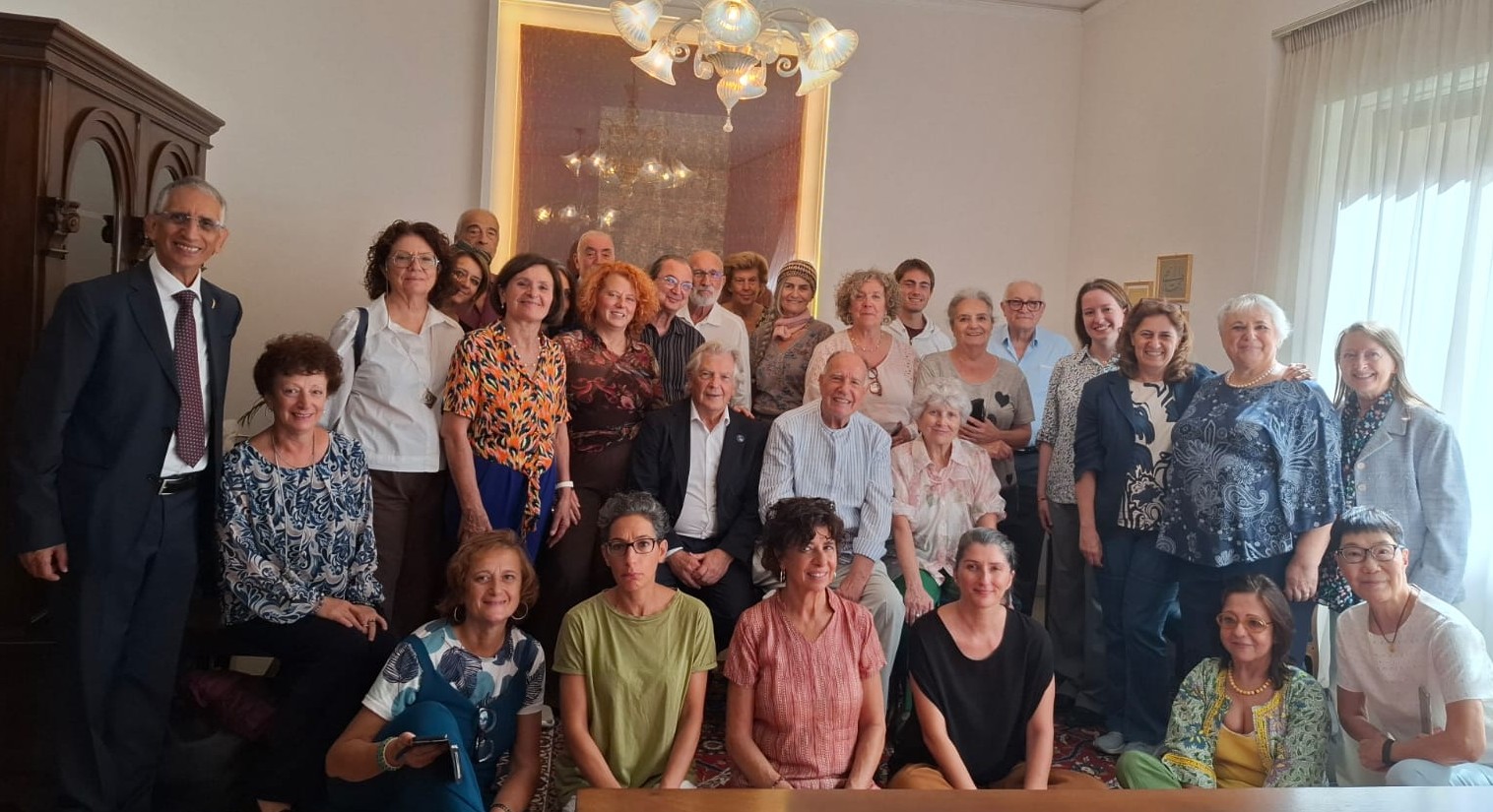
On Monday 5 October, the focus shifted from encounters to shared reflection and practical learning. Sessions on Shared Sacred Worldview considered the sacred as a common foundation of existence and explored the dialogue between spiritual wisdom and contemporary science. Shared Sacred Flourishing placed human relationships at the centre, highlighting how love, compassion and justice can give concrete expression to human dignity.
In interactive workshops, participants worked with the Religions for Peace Action Method, Shared Sacred Analysis and Discernment for the Common Good. Small groups explored how different traditions understand human flourishing and how these perspectives can help communities respond to trauma, conflict and other local and global challenges.
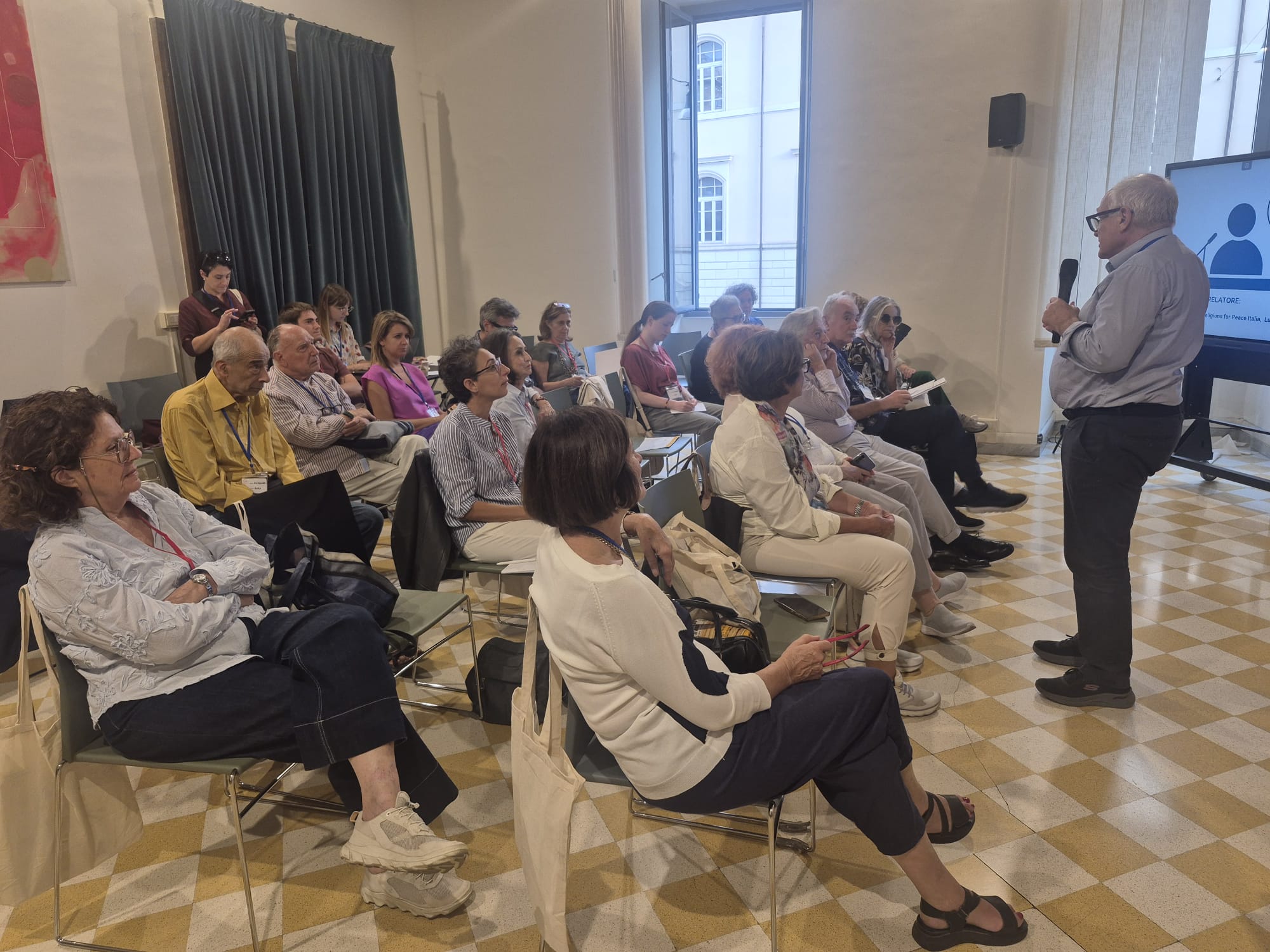
Dr. Luigi De Salvia, President of Religions for Peace Italy, facilitated a session on governance, leadership, partnerships and community engagement, encouraging participants to consider how these principles can be reflected in the organisation’s programmes and future work. The programme also included an encounter with Don Giuliano Savina of the Italian Bishops’ Conference’s office for interreligious dialogue.
Strengthening relationships and commitments
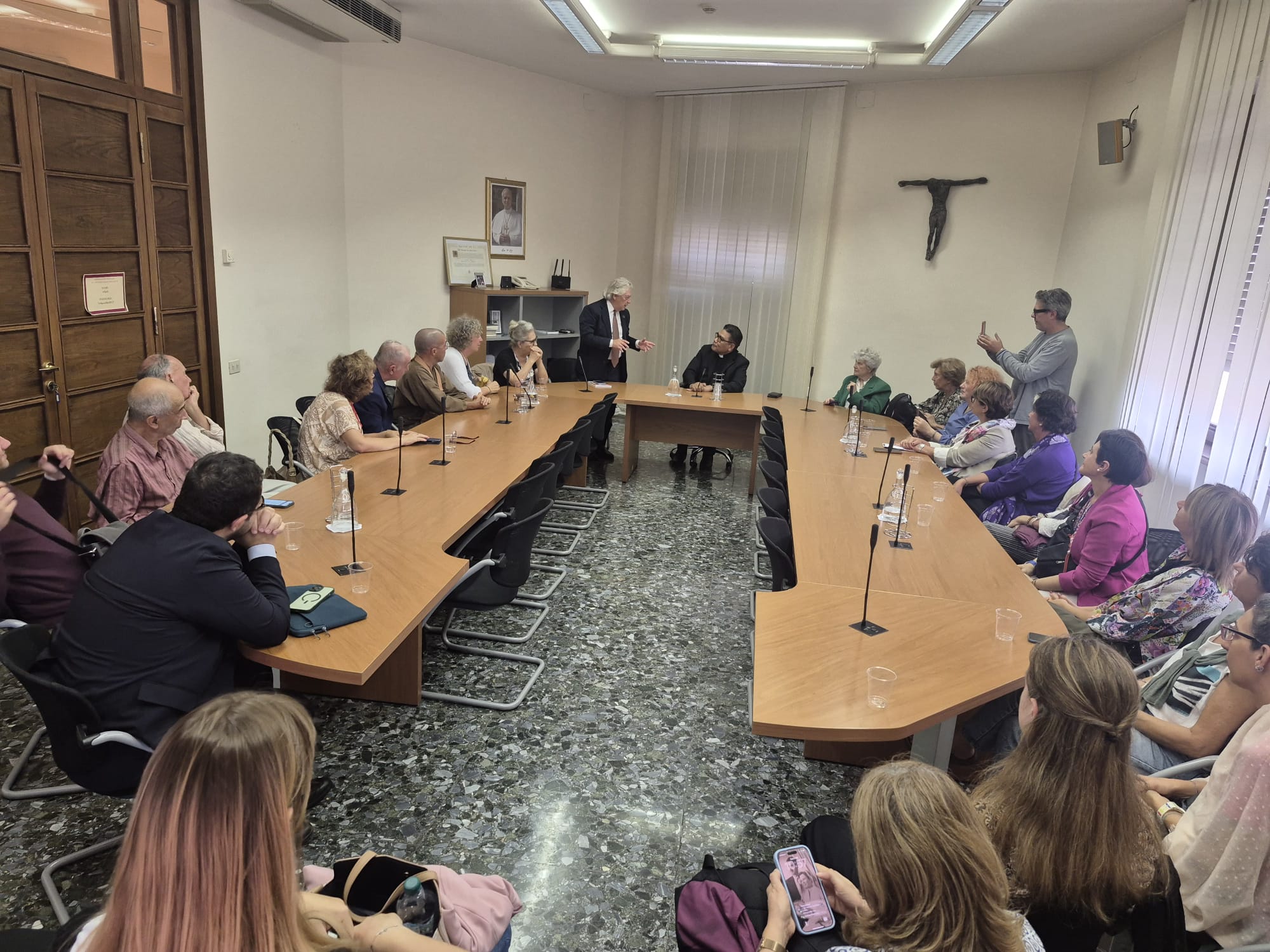
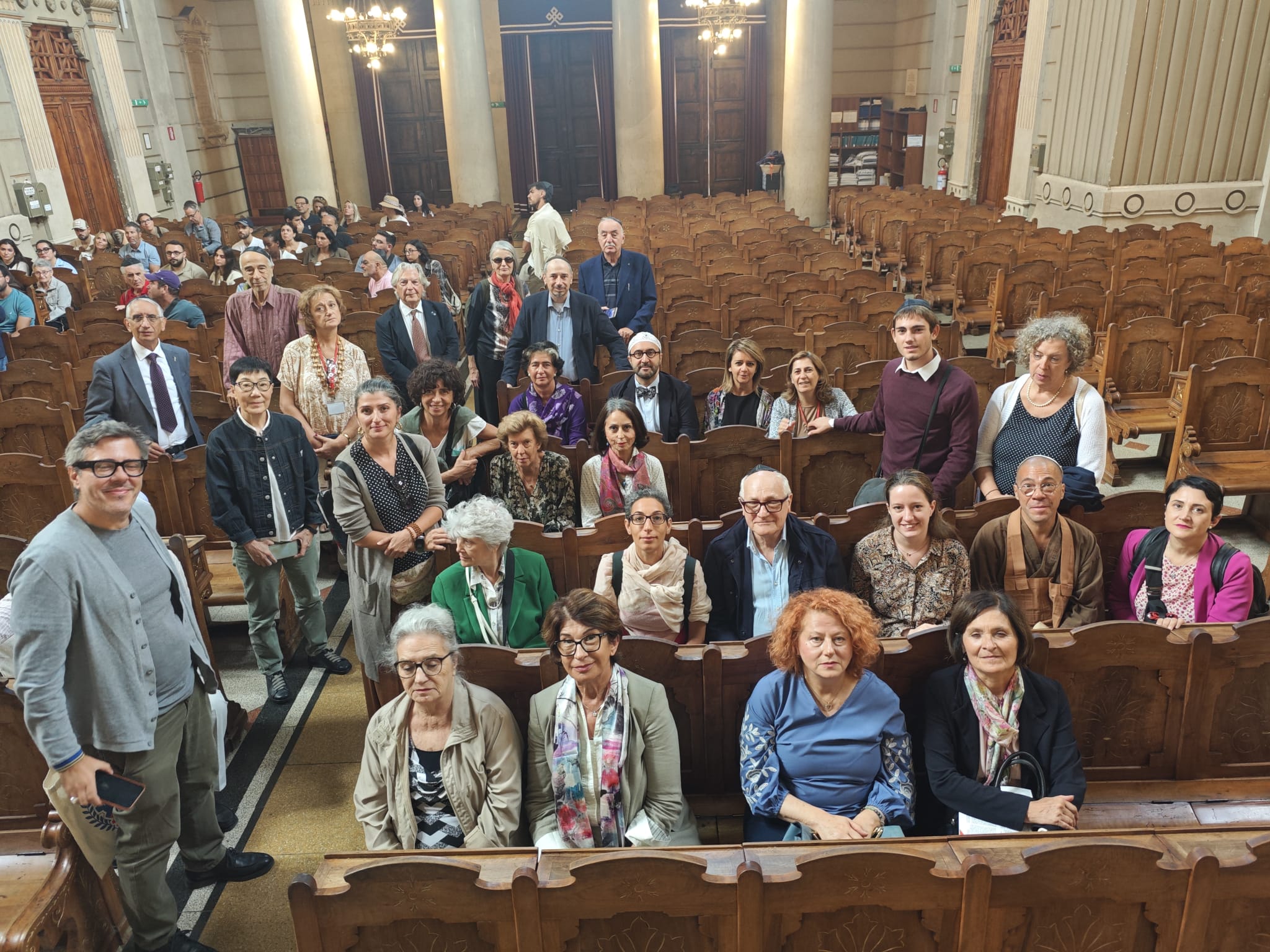
On Tuesday 6 October, participants continued their institutional visits at the Catholic Church’s Dicastery for Interreligious Dialogue, the Great Synagogue of Rome and the Grand Mosque of Rome/Islamic Cultural Centre. Conversations explored human fraternity, historical memory, human dignity, mercy and social responsibility, reflecting the distinctive contributions of each tradition to peacebuilding.
The course concluded with the presentation of certificates. More than a series of meetings, the three days created opportunities to build trust, learn across differences, and develop approaches to dialogue that participants can carry into their own communities. The experience reaffirmed the potential of interreligious cooperation to translate shared values into meaningful action for peace.
Beyond Formal Dialogue: Building Friendship and Community
Beyond the formal sessions and institutional visits, the three days offered many opportunities to build meaningful personal connections. Shared meals, informal conversations, laughter and moments of conviviality created an atmosphere of friendship, trust and mutual respect. These spontaneous encounters were an essential part of the experience, showing that interreligious dialogue is not only about exchanging ideas and perspectives, but also about building genuine human relationships. The spirit of openness, collaboration and friendship that emerged throughout the programme strengthened the sense of community among participants, laying the foundations for continued dialogue and cooperation beyond the event.