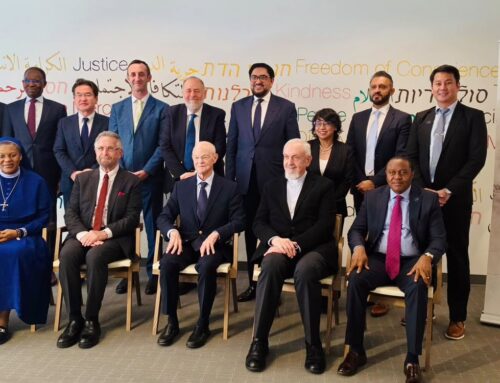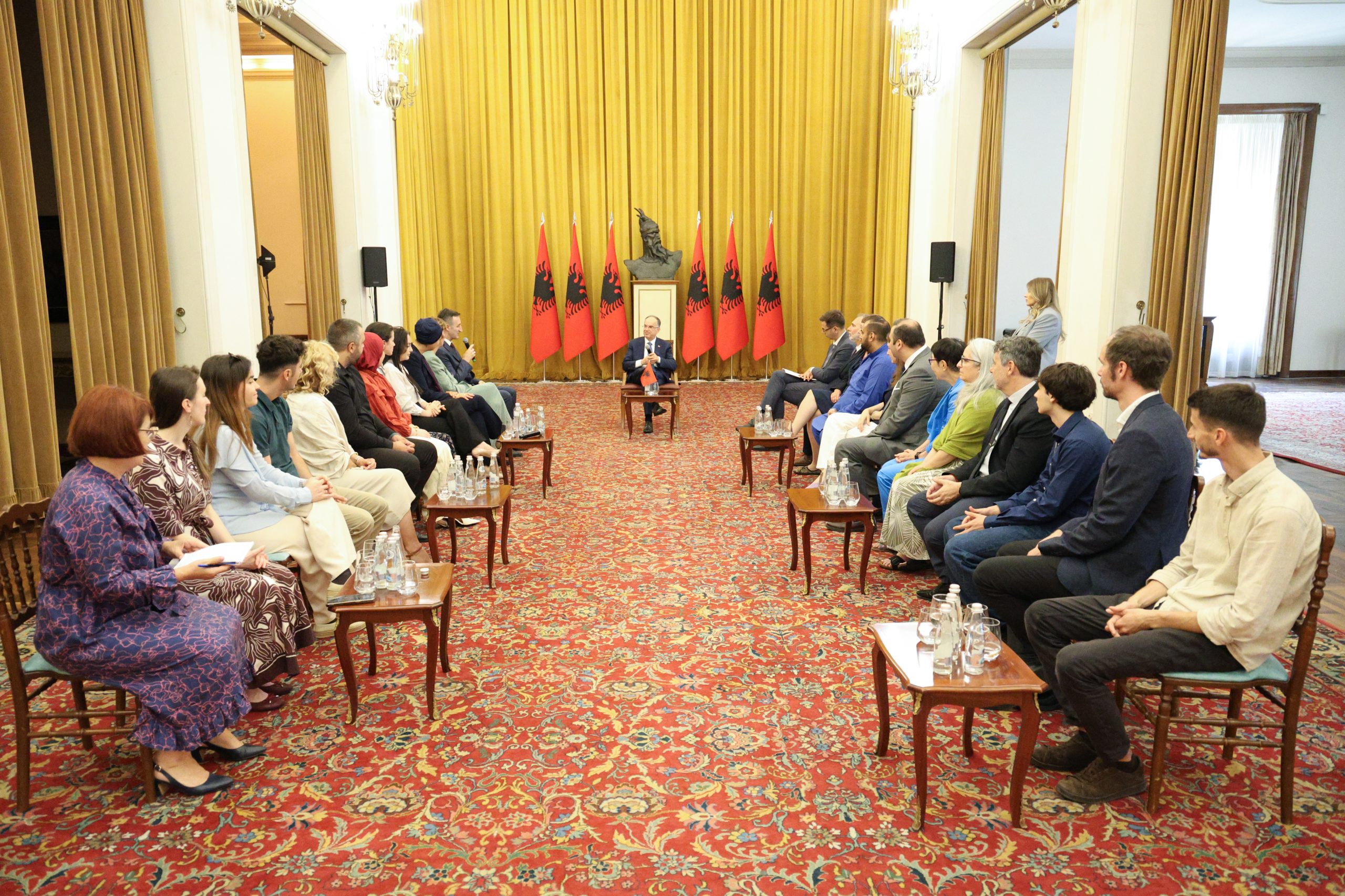
The President of the Republic of Albania, H.E. Bajram Begaj, received a delegation of representatives of European Interreligious Councils currently visiting Tirana as part of the international programme “Shared Sacred Flourishing”.
During the meeting, President Begaj highlighted the importance of the initiative as a platform for strengthening interreligious dialogue and promoting peace, mutual understanding and cooperation among faith communities across Europe.
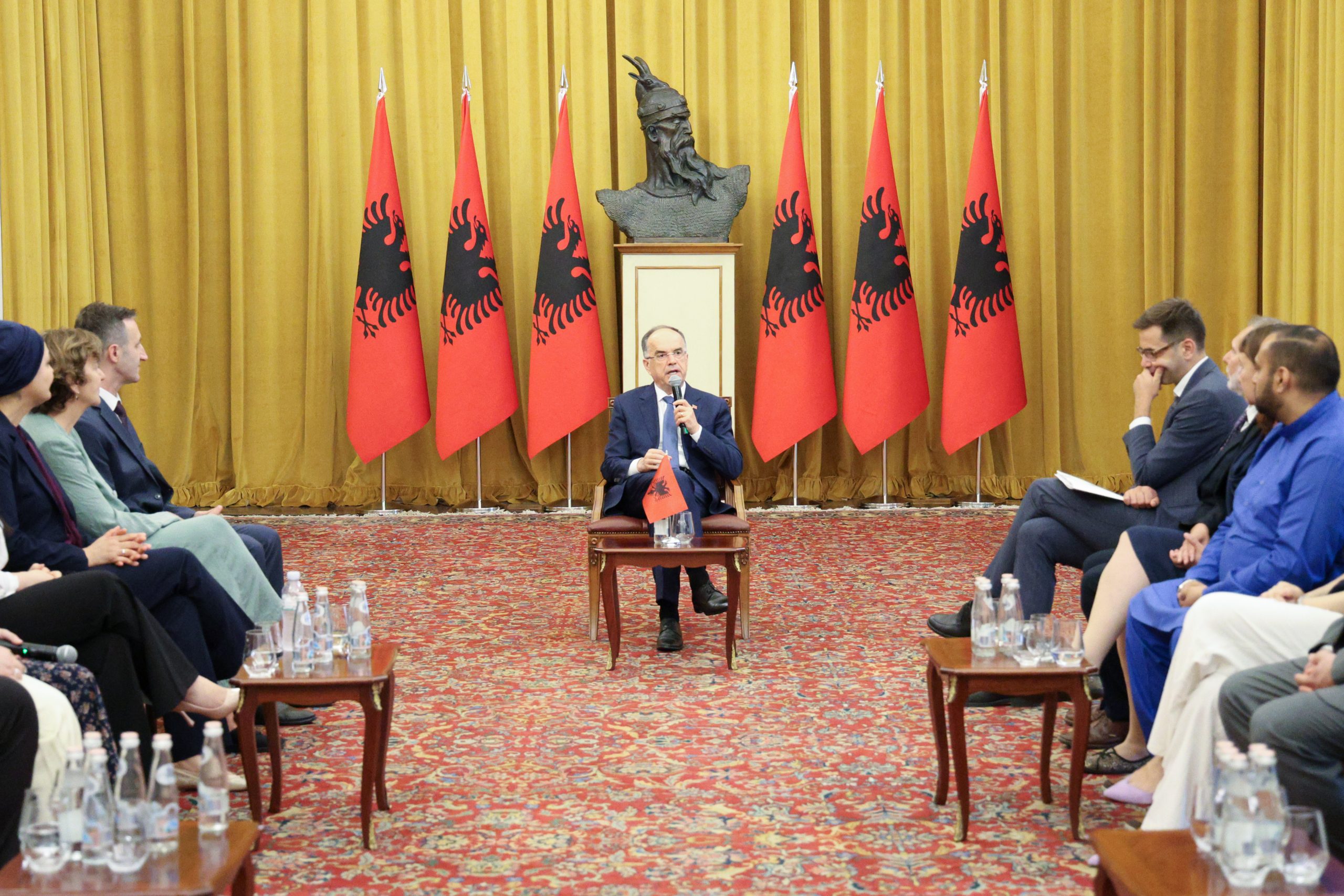
The Head of State emphasised Albania’s distinctive tradition of religious harmony, peaceful coexistence and hospitality.
“Albania represents a model of religious harmony, interfaith coexistence and hospitality. These values are part of our identity, and I hope that during your stay you will experience them first-hand,” President Begaj stated during the exchange with the European interreligious representatives.
President Begaj also reflected on the resilience of faith in Albanian society during one of the darkest periods of the country’s history.
“Although the dictatorial regime declared Albania the world’s first atheist state, demolished places of worship or changed their function, it could not erase the Albanian people’s faith in God,” he noted.
He further underlined the importance of respecting the faith of others as one of the foundations of Albania’s social harmony and peaceful coexistence.
President Begaj expressed particular appreciation for the role of the Interreligious Council of Albania in advancing dialogue, mutual understanding and cooperation among Albania’s religious communities, as well as in sharing the Albanian model of religious harmony at the European and international levels.
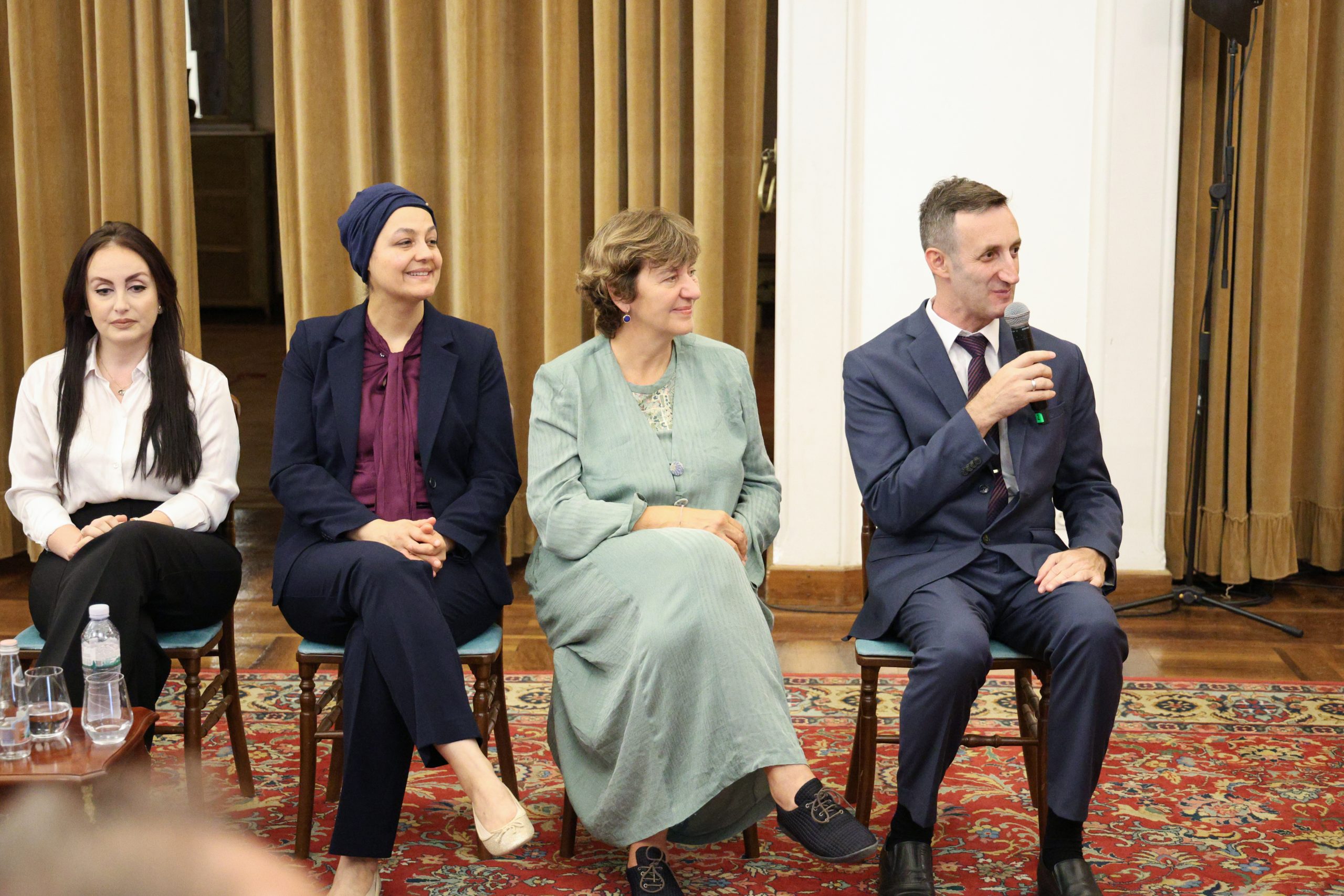
The delegation was led by Prof. Genti Kruja, President of Religions for Peace Europe and President of the European National Interreligious Bodies network, who also serves as Secretary General of the Interreligious Council of Albania.
In his remarks, Prof. Kruja thanked President Begaj for the warm reception and for his continued attention to the role of religious communities and interreligious dialogue in Albanian society. He introduced the theme, objectives and broader significance of the international programme taking place in Tirana, stressing that Albania’s selection by Religions for Peace was not coincidental.
He noted that Albania provides a natural and meaningful setting for the European Forum and the Training of Trainers on “Shared Sacred Flourishing,” given its deeply rooted tradition of religious harmony, mutual respect and coexistence among different faith communities.
Prof. Kruja emphasised that the Albanian model of interreligious coexistence is not only a valuable national heritage, but also an experience that can and should be shared with other European societies, particularly at a time marked by polarisation, hate speech, conflict and growing social divisions.
He explained that the programme seeks to move from dialogue to concrete action by strengthening cooperation among European Interreligious Councils and equipping their representatives to translate the principles of Shared Sacred Flourishing into initiatives at national and local levels.
“Peace is not built only through institutions and agreements, but also through faith, mutual respect and the shared commitment of religious communities to human dignity and the common good,” Prof. Kruja stated.
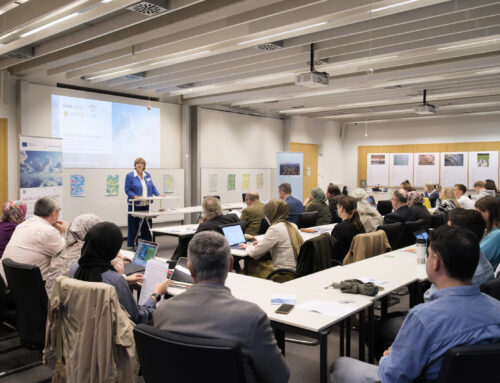
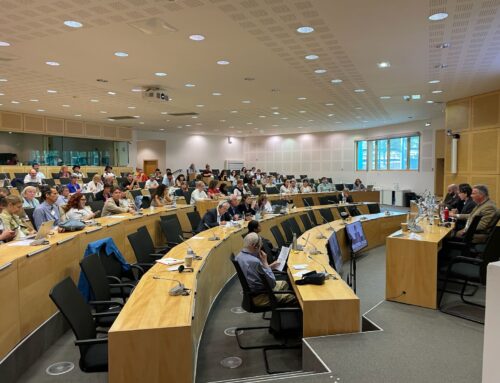
The programme is taking place in Tirana from 20 to 24 July 2026 and includes the European Interreligious Forum, a Training of Trainers programme, visits to religious communities, institutional meetings and activities introducing participants to Albania’s religious, historical and cultural heritage.
It is organised by Religions for Peace International, Religions for Peace Europe and the European National Interreligious Bodies network, in cooperation with the Interreligious Council of Albania, religious communities and national and local partners.
Participants include representatives of Interreligious Councils (European National Interreligious Bodies), European Council of Religious Leaders, faith communities, women’s and youth networks, and civil society organisations from Albania, Bosnia and Herzegovina, Finland, Germany, Greece, Italy and Spain.
The programme aims to strengthen the capacities of interreligious actors and translate the vision of Shared Sacred Flourishing into practical initiatives at both national and local levels.
At the conclusion of the meeting, President Begaj stressed that, at a time when the world is facing conflict, polarisation and multiple challenges, interreligious dialogue remains an essential instrument for building bridges of trust, solidarity and peace.
In this spirit, Albania continues to contribute internationally by promoting its unique model of religious harmony and peaceful coexistence among diverse communities.