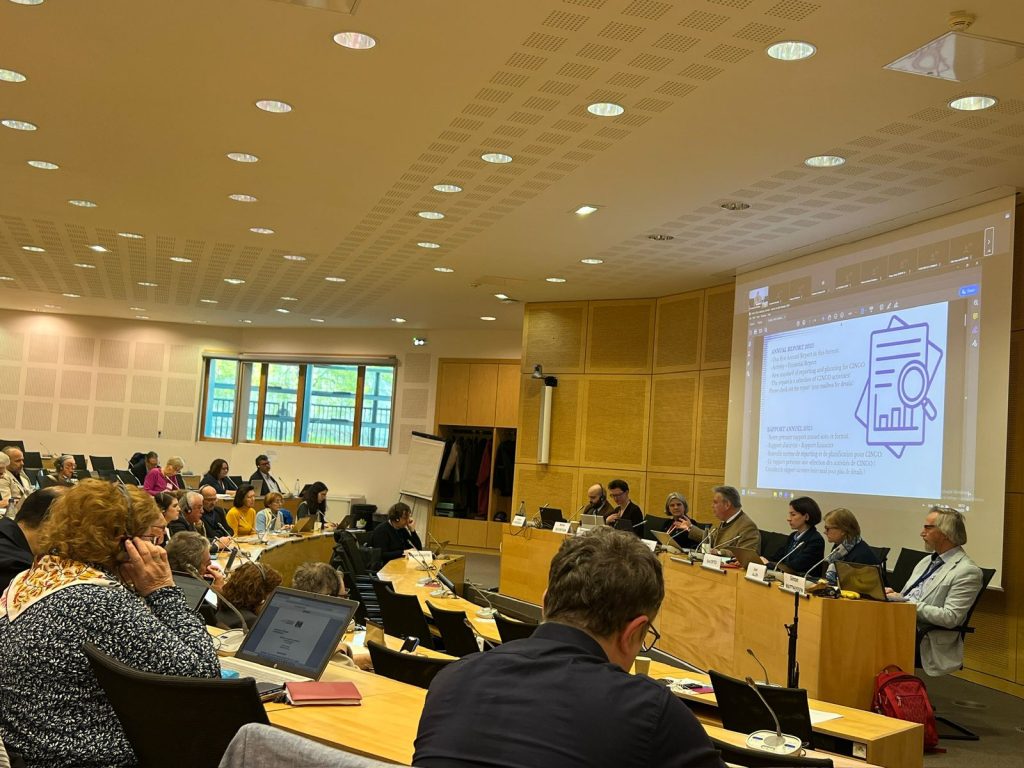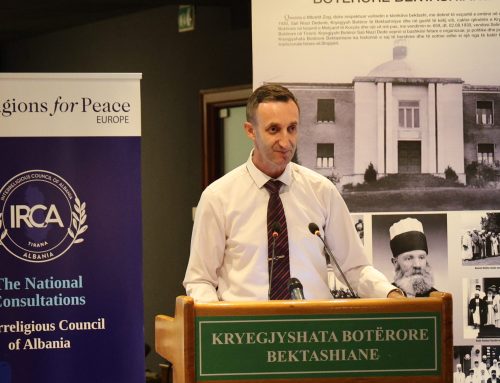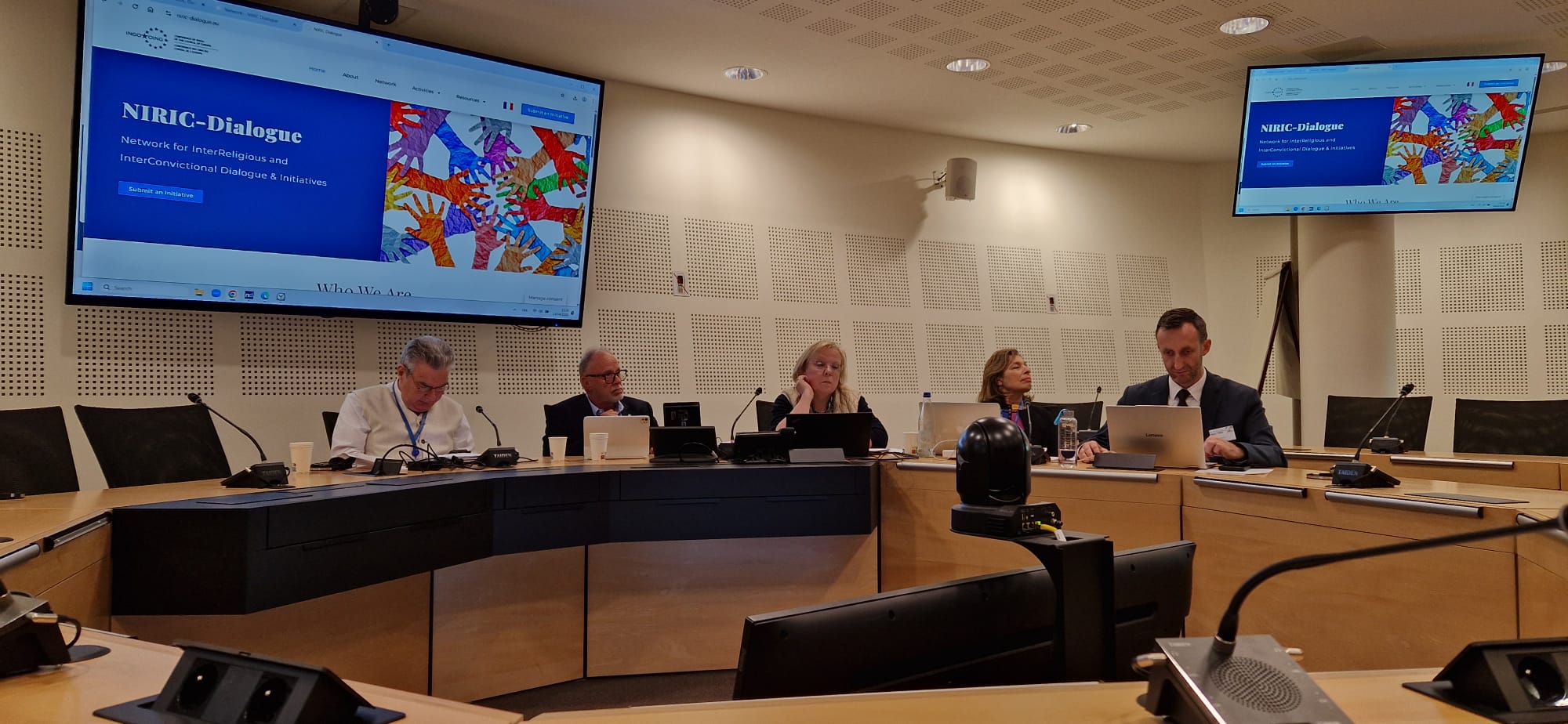
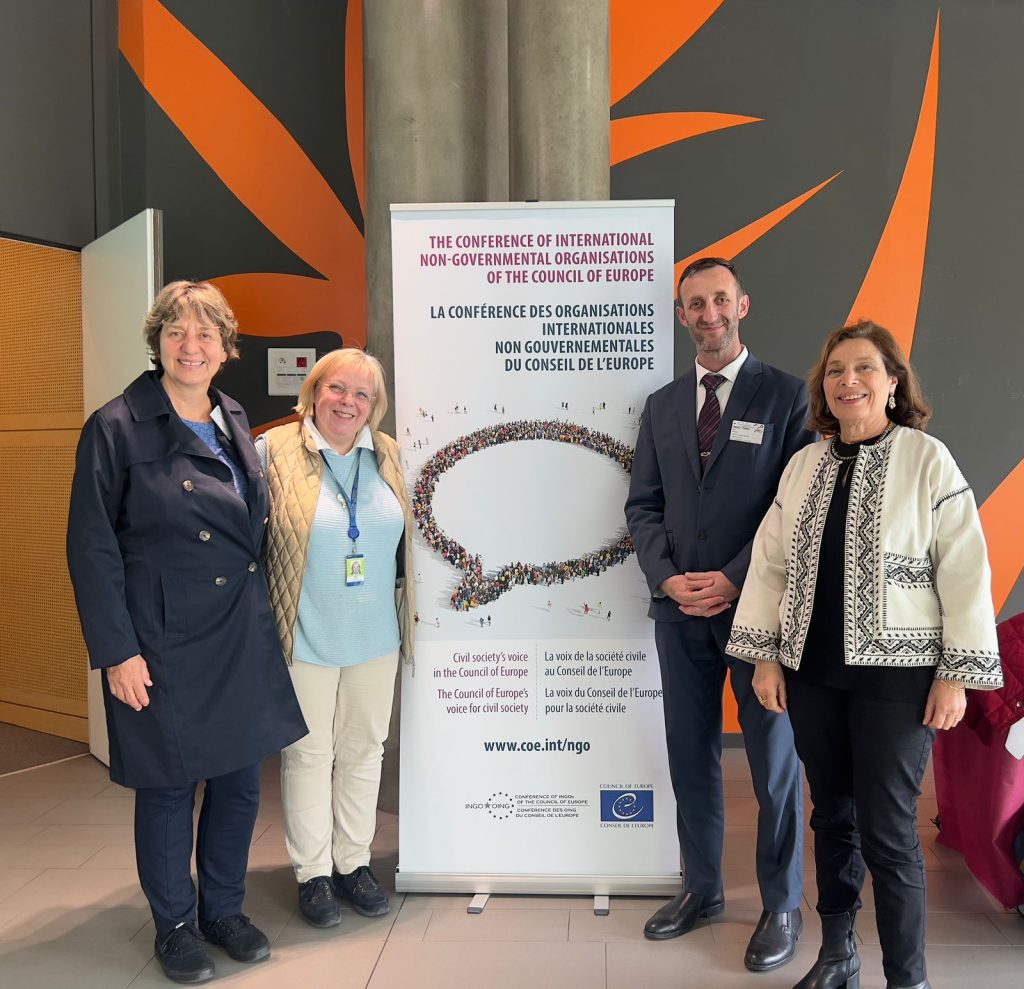
Religions for Peace Europe participated in the 2026 Spring Session of the Conference of International Non-Governmental Organisations (CINGO) of the Council of Europe, held in Strasbourg, France from 14 to 17 April 2026. This forum represents the institutional voice of civil society within the Council of Europe and brings together organizations from across the continent to contribute to the strengthening of dialogue, democracy, human rights, and the rule of law.
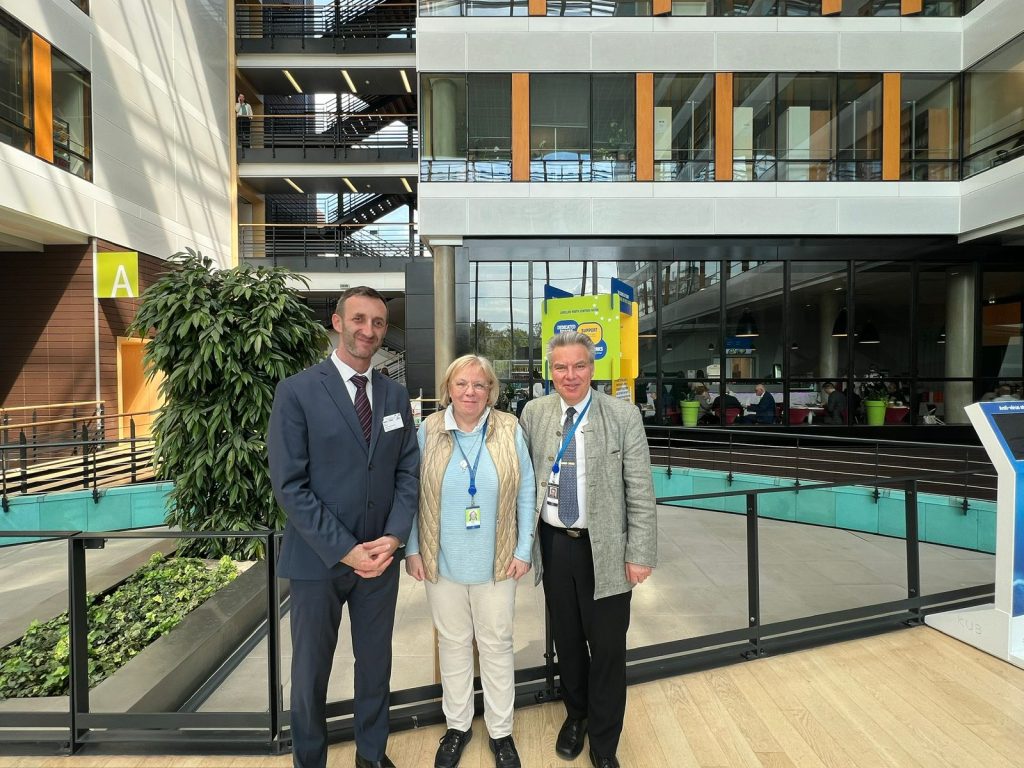
The delegation of Religions for Peace Europe was represented by Assoc. Prof. Dr. Genti Kruja, President of the organization, together with Prof. Elisabeth Naurath, Vice President of European National Interreligious Bodies within RfP Europe.
During the session, the delegation held dedicated meetings with Mr. Gerhard Ermischer, President of the Conference of INGOs of the Council of Europe, as well as with Mrs. Gabriela Frey and Mrs. Lilia Bensedrine Thabet, Co-Chairs of the Committee for Interreligious and Interconvictional Dialogue. These meetings focused on opportunities to deepen cooperation between European institutions and faith actors, and on strengthening the role of interreligious dialogue in promoting social cohesion and peace across Europe.
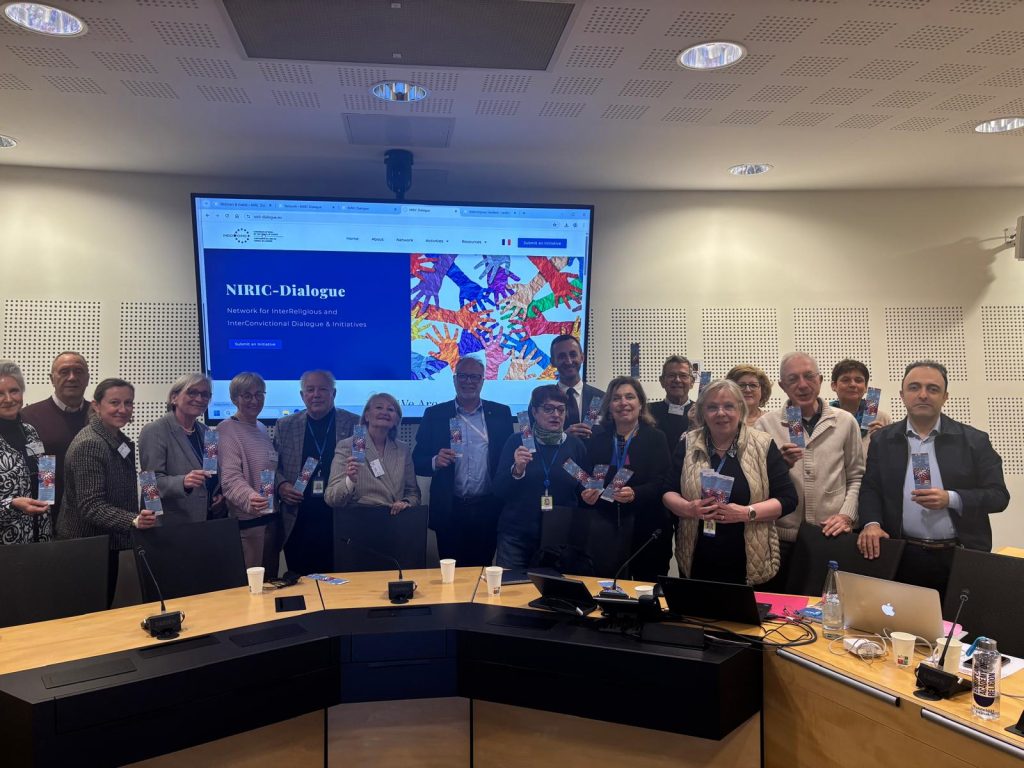
A particularly important element is that Religions for Peace Europe is part of the NIRIC Dialogue European network, a platform bringing together organizations and initiatives committed to promoting interreligious dialogue, peaceful coexistence, and mutual respect across Europe.
During the discussions in Strasbourg, special attention was given to the initiative for establishing a permanent platform for interreligious and interconvictional dialogue within the Council of Europe. This platform aims to regularly gather representatives of religions, public institutions, and civil society in order to promote dialogue, democracy, human rights, solidarity, and social peace.
The broader session agenda also addressed highly relevant issues such as hate speech and hate crime, discrimination against vulnerable communities, youth participation, civic space, and the implementation of the New Democratic Pact for Europe initiative for revitalizing European democracy.
Religions for Peace Europe reaffirmed during the forum that faith communities have an irreplaceable role in protecting human dignity, promoting tolerance, ethical education, combating extremism, and building inclusive societies.
Its active participation in this session further confirms the position of Religions for Peace Europe as an important actor in European civic and interfaith diplomacy, building bridges of cooperation among institutions, religious communities, and civil society for a more peaceful and united Europe.